

Affiliate Disclosure: This post contains affiliate links. If you make a purchase through these links, we may earn a small commission at no extra cost to you. We only recommend brands and products we genuinely believe in.
Few retailers have transformed how Americans furnish their homes quite like Wayfair. From a bedroom-office startup selling media stands to a publicly traded company offering more than 40 million products, Wayfair has become the default online destination for furniture and home goods. Here’s a full breakdown of Wayfair’s history, what it offers today, and whether it’s still worth shopping in 2026.
What Is Wayfair?
Wayfair is an American e-commerce company founded in August 2002 by Niraj Shah and Steve Conine in Boston, Massachusetts, originally launched under the name CSN Stores. The company started small, with its first website, racksandstands.com, selling media stands and storage furniture out of what was literally Steve Conine’s spare bedroom. Rather than building one large storefront, the founders pursued an unusual early strategy: launching hundreds of individual, niche-focused websites, with names like cookware.com and allbarstools.com, designed to dominate specific search terms and capture highly intent-driven traffic across the fragmented home goods category.
That approach worked remarkably well. By 2010, CSN Stores had grown to nearly $380 million in annual sales entirely without outside funding. Recognizing that hundreds of separate niche brands were limiting customer loyalty and repeat business, the founders consolidated everything into a single flagship brand in 2011, officially becoming Wayfair. The newly unified brand exceeded $600 million in sales in its very first year and launched with a national television marketing campaign. Wayfair went public in 2014, and today the company reports annual revenue in the range of $12.5 billion, offering more than 40 million products from more than 20,000 global suppliers.
What Makes Wayfair Different?
- Massive product selection — with tens of millions of items from tens of thousands of suppliers, Wayfair offers one of the widest home goods catalogs of any single US retailer
- Multiple branded retail sites — beyond the core Wayfair site, the company operates Joss & Main, AllModern, Birch Lane, and Perigold, each targeting a distinct style and price point
- Asset-light, dropship-heavy model — rather than holding massive amounts of inventory itself, Wayfair has historically relied heavily on a model connecting suppliers directly to customer orders, allowing for an unusually broad catalog
- Growing physical retail presence — after years as a purely online retailer, Wayfair has been expanding into large-format physical stores, including a notable 150,000-square-foot location, marking a genuine shift toward omnichannel retail
- AI-powered shopping tools — the company has integrated generative AI tools, including a platform called Decorify, aimed at helping customers visualize and personalize their home shopping experience
Wayfair’s Family of Brands
Wayfair (Flagship)

The core site offering the broadest range of furniture, decor, kitchen and dining products, home improvement items, and patio and garden goods across nearly every price point.
Joss & Main

A more curated, design-forward retail experience, originally launched with a members-only private sales model, aimed at shoppers wanting a more editorial approach to home shopping.
AllModern

A dedicated modern design brand under the Wayfair umbrella, focused specifically on contemporary furniture and decor styles.
Birch Lane

A traditional, classic-style home goods brand offering more timeless furniture and decor aesthetics compared to AllModern’s contemporary focus.
Perigold
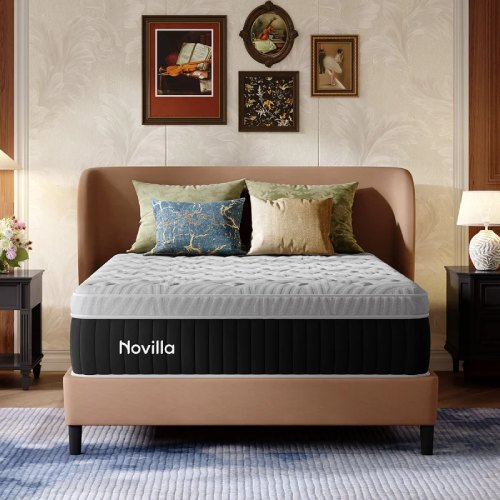
Wayfair’s luxury retail brand, offering higher-end furniture and decor from premium and designer suppliers for shoppers with bigger budgets.
Is Wayfair Good Quality?
Because Wayfair operates primarily as a marketplace connecting customers to a vast network of more than 20,000 suppliers rather than manufacturing products itself, quality varies significantly by the specific brand and item being purchased rather than being consistent across the entire catalog. This is a genuine trade-off of Wayfair’s core business model: the company’s strength lies in selection, price range, and convenience, while delivery speed, individual product quality, and the returns process are the areas most likely to shape a shopper’s overall satisfaction, according to ongoing industry analysis of the company’s market position.
Wayfair has faced real business challenges in recent years, including revenue softness and increased competition from larger players like Amazon, though the company has shown signs of stabilization and continued growth into 2025 and 2026, including its push into physical retail locations as part of a broader recovery and omnichannel strategy.
Wayfair’s Move Into Physical Retail
One of the more notable recent shifts for Wayfair has been its expansion beyond a purely digital retail model. After years of testing and even briefly closing an early physical store location, the company opened a large-format, roughly 150,000-square-foot store in 2024, followed by continued plans for additional large-format stores across North America through 2026. This omnichannel push reflects a broader industry trend of successful online retailers investing in physical spaces to build trust and provide a hands-on shopping experience for bigger-ticket furniture purchases, which can be harder to commit to sight-unseen.
How Does Wayfair Compare to Other Home Goods Retailers?
| Feature | Wayfair | Typical Single-Brand Furniture Retailer |
|---|---|---|
| Founded | 2002 (as CSN Stores), rebranded 2011 | Varies |
| Product catalog | 40+ million products, 20,000+ suppliers | Often a fraction of that range |
| Sub-brands | Joss & Main, AllModern, Birch Lane, Perigold | Usually a single brand |
| Business model | Marketplace/dropship-heavy | Often direct manufacturer or retailer |
| Physical retail | Growing large-format store presence | Varies |
| Public company | Yes, NYSE: W | Varies |
Tips for Shopping Wayfair
- Read reviews on the specific product, not just the overall brand, since quality can vary significantly between different suppliers on the platform
- Explore Wayfair’s sub-brands like AllModern or Birch Lane if you want a more curated selection matching a specific design aesthetic
- Consider Perigold if you’re shopping for higher-end, designer furniture pieces within the Wayfair family
- Check delivery timelines carefully for large furniture items, since shipping times can vary meaningfully depending on the specific supplier
- Visit a physical Wayfair location if one is near you, especially for bigger purchases where seeing the piece in person would help with the buying decision
Final Verdict: Is Wayfair Still Worth It?
More than two decades after starting as a scrappy niche-website operation out of a spare bedroom, Wayfair has become one of the most influential names in American home goods retail, built on an unmatched breadth of selection and a genuinely unusual founding story. With continued investment in physical retail, AI-powered shopping tools, and a family of sub-brands covering everything from budget basics to designer luxury, Wayfair remains a relevant, comprehensive destination for furnishing a home in 2026. As with any large marketplace, reading item-specific reviews remains the best way to ensure a good outcome on any individual purchase.
Frequently Asked Questions
Who founded Wayfair?
Wayfair was founded in August 2002 by Niraj Shah and Steve Conine in Boston, Massachusetts, originally under the name CSN Stores.
Why did CSN Stores change its name to Wayfair?
CSN Stores rebranded to Wayfair in 2011 after consolidating hundreds of individual niche websites into a single flagship brand to build stronger customer loyalty and lifetime value.
What brands does Wayfair own?
In addition to its flagship site, Wayfair operates Joss & Main, AllModern, Birch Lane, and Perigold, each targeting a distinct design style and price range.
Is Wayfair a publicly traded company?
Yes, Wayfair went public in 2014 and trades on the New York Stock Exchange under the ticker symbol W.
Does Wayfair have physical stores?
Yes, Wayfair has been expanding into large-format physical retail locations in recent years, including a roughly 150,000-square-foot store, as part of a broader omnichannel strategy.
Is Wayfair good quality?
Wayfair operates as a large marketplace connecting customers to thousands of suppliers, so product quality varies by the specific item and supplier rather than being uniform across the entire catalog, making item-specific reviews important before purchasing.