
Affiliate Disclosure: This post contains affiliate links. If you make a purchase through these links, we may earn a small commission at no extra cost to you. We only recommend brands and products we genuinely believe in.
Few pieces of footwear have crossed as many cultural lines as Timberland’s iconic yellow boot, equally at home on a construction site, a hip-hop stage, or a Milan fashion boutique. More than five decades after its debut, the boot that started it all remains one of the most recognizable pieces of footwear in the world. Here’s a full breakdown of Timberland’s history, what it offers today, and whether it’s still worth buying.
What Is Timberland?
Timberland is an American outdoor footwear and apparel company that traces its roots to 1952, when Nathan Swartz bought a half-interest in the Abington Shoe Company in Abington, Massachusetts. The company as it’s known today officially became The Timberland Company in 1978. Its defining product, the Original Yellow Boot, debuted in 1973, when Abington Shoe Company revolutionized the footwear industry by using injection molding technology combined with silicone-infused nubuck leather to create genuinely waterproof leather work boots, at a time when truly waterproof leather boots simply didn’t exist.
The boot’s rise from functional New England work gear to a global fashion and cultural icon is a genuinely unusual business story. In the early 1980s, an Italian businessman named Veronesi, president of a subsidiary responsible for brands like Louis Vuitton and Ralph Lauren’s women’s Polo line, recognized Timberland boots as a potential high-fashion accessory for stylish Italians. After testing the boots in haute couture shops in Milan and Rome, Timberland became a genuine European fashion craze, which in turn drove even more American retailers to carry the brand, pushing boot production to 1.8 million pairs by 1983. That unlikely path, functional workwear becoming a European fashion statement and eventually a hip-hop and streetwear staple, cemented Timberland’s cultural relevance for decades to come.
Timberland’s Ownership and Corporate History
Timberland’s business success eventually attracted major acquisition interest. VF Corporation, the same company behind Lee Jeans, was among the earliest conglomerates to approach the Swartz family with a buyout offer. VF Corporation officially acquired Timberland in 2011 for approximately $2.2 billion, and the brand has remained a VF Corporation subsidiary since, positioned today alongside other major VF-owned outdoor and lifestyle brands including The North Face, Vans, and Dickies. Timberland’s corporate headquarters remain in Stratham, New Hampshire, with additional international headquarters in Stabio, Switzerland, and Shanghai, China.
What Makes Timberland Different?
- Genuine waterproofing innovation — the Original Yellow Boot was a real technical breakthrough in 1973, using injection molding and silicone-infused nubuck leather to solve a problem no prior leather boot had solved
- Unmatched cultural crossover — few footwear brands have moved as fluidly between workwear, high fashion, and hip-hop culture as Timberland has since the 1980s
- Global boot culture leadership — Timberland has positioned itself as what it calls the “arbiter of global boot culture,” with a 50-plus-year history of craftsmanship and cultural connectivity behind that claim
- Backed by VF Corporation’s scale — as part of a major, publicly traded apparel conglomerate, Timberland has access to substantial resources for continued product development and global distribution
- Sustainability commitments — Timberland has stated a long-term vision centered on making products responsibly, protecting the outdoors, and strengthening the communities where it operates
What Does Timberland Sell?
The Original Yellow Boot
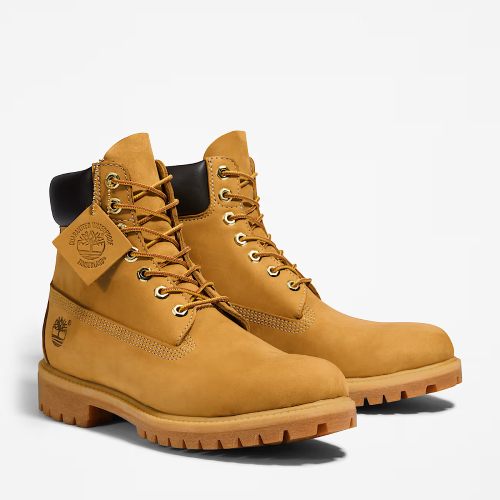
Timberland’s founding and most iconic product, the six-inch waterproof leather work boot that launched in 1973 and remains the brand’s defining silhouette more than 50 years later.
Timberland PRO
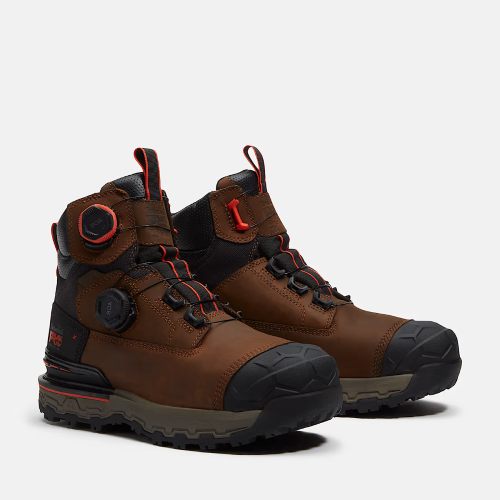
A dedicated work-focused line offering safety-toe and slip-resistant footwear engineered specifically for jobsite conditions, extending the brand’s original functional workwear roots.
Casual & Lifestyle Footwear
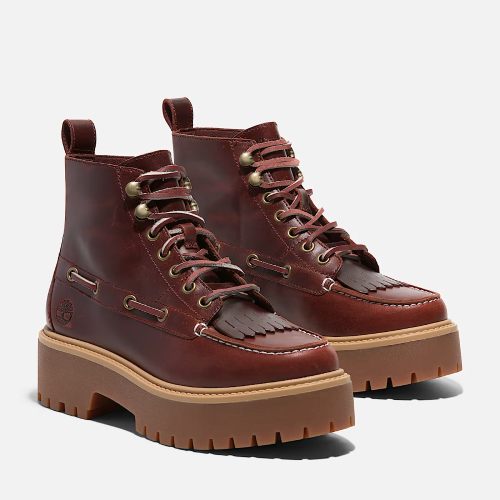
Sneakers, casual boots, and everyday shoes designed to extend Timberland’s rugged aesthetic into non-work, everyday wear.
Apparel
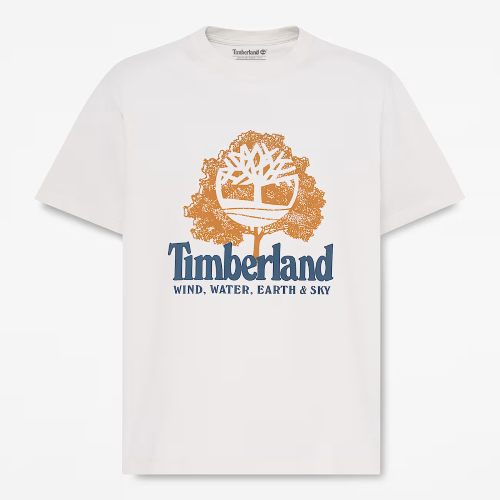
Jackets, outerwear, and clothing designed to complement Timberland’s footwear with the same outdoor-ready, durable construction philosophy.
Accessories
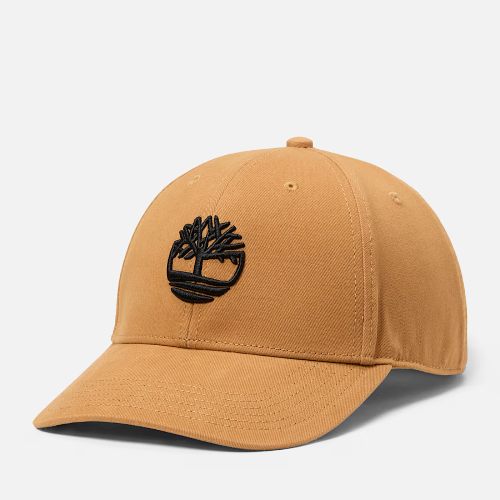
Watches, eyewear, and leather goods rounding out the brand’s product range beyond footwear and apparel.
Is Timberland Good Quality?
Timberland has built more than five decades of credibility around genuinely durable, functional footwear, a reputation that traces directly back to the technical innovation behind the Original Yellow Boot’s waterproof construction in 1973. The brand’s ongoing manufacturing takes place across multiple locations, including the Dominican Republic, Vietnam, China, and the United States, with the company stating it maintains quality control and ethical manufacturing practices across its supply chain to preserve the durability standards that made the brand iconic.
As part of VF Corporation, a major publicly traded apparel company, Timberland has the institutional resources to maintain consistent production standards across its footwear and apparel lines, and the brand’s continued relevance across multiple, very different customer bases, construction workers, fashion enthusiasts, and musicians alike, reflects genuine, sustained trust in the product rather than reliance on a single cultural moment.
Timberland’s Cultural Legacy
Understanding Timberland’s full story requires appreciating just how far the brand’s cultural reach extends beyond its original workwear purpose. What began as a rugged New England work boot became, through an unplanned Italian fashion crossover in the early 1980s, a genuine global status symbol, and later a defining piece of 1990s and 2000s hip-hop and streetwear culture in the US. That combination of function and cultural symbolism, a boot equally credible on a construction site or a red carpet, is a big part of why Timberland has remained relevant across generations of very different customers.
How Does Timberland Compare to Other Heritage Boot Brands?
| Feature | Timberland | Typical Heritage Workboot Brand |
|---|---|---|
| Founded | 1952 (as Abington Shoe Company), 1973 (Yellow Boot debut) | Varies |
| Key innovation | Injection-molded, silicone-infused waterproof leather | Varies |
| Cultural crossover | Fashion, hip-hop, streetwear, and workwear | Rare at this scale |
| Parent company | VF Corporation (also owns The North Face, Vans, Dickies) | Varies |
| Manufacturing | Dominican Republic, Vietnam, China, US | Varies |
| Product range | Boots, PRO workwear, lifestyle footwear, apparel, accessories | Varies |
Tips for Buying Timberland
- Start with the Original Yellow Boot if you want the piece most representative of the brand’s founding heritage and cultural significance
- Consider Timberland PRO specifically if you need safety-toe or slip-resistant footwear for genuine jobsite use
- Check sizing carefully, since boot fit can run differently than sneakers or casual shoes across the brand’s range
- Look into the brand’s sustainability initiatives if responsible manufacturing is a priority in your purchasing decision
- Watch for seasonal sales, since Timberland runs regular promotions across both its boot and apparel lines
Final Verdict: Are Timberland Boots Still Worth It?
More than five decades after Abington Shoe Company solved the problem of a truly waterproof leather boot, Timberland remains one of the most culturally significant and functionally credible footwear brands in the world. With genuine technical innovation behind its founding product, sustained relevance across wildly different cultural spaces, and the backing of a major global apparel conglomerate, Timberland has proven its yellow boot is far more than a passing trend. For anyone looking for durable, genuinely iconic footwear, Timberland remains well worth the investment.
Frequently Asked Questions
Who founded Timberland?
Timberland traces its roots to 1952, when Nathan Swartz bought a half-interest in the Abington Shoe Company, which officially became The Timberland Company in 1978.
When did the Timberland Yellow Boot come out?
The Original Timberland Yellow Boot debuted in 1973, using injection molding technology and silicone-infused nubuck leather to create the first genuinely waterproof leather work boots.
Who owns Timberland now?
Timberland is owned by VF Corporation, which acquired the brand in 2011 for approximately $2.2 billion. VF Corporation also owns The North Face, Vans, and Dickies.
How did Timberland become popular in fashion and hip-hop culture?
Timberland boots became a fashion trend in Italy in the early 1980s after an Italian businessman marketed them to stylish shoppers in Milan and Rome, which later contributed to the boots becoming a defining piece of American hip-hop and streetwear culture.
Are Timberland boots good quality?
Yes, Timberland boots are built on more than five decades of durable, functional design, with the brand maintaining quality control and ethical manufacturing practices across its production facilities in the Dominican Republic, Vietnam, China, and the US.
What is Timberland PRO?
Timberland PRO is the brand’s dedicated work-focused footwear line, offering safety-toe and slip-resistant boots engineered specifically for jobsite conditions.