
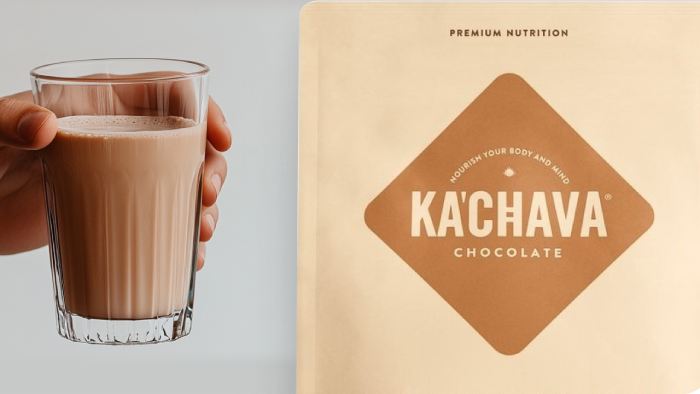
If you’ve scrolled through Instagram or YouTube in the last year, chances are you’ve seen an ad for Ka’Chava — a plant-based meal replacement shake that promises to combine a multivitamin, protein powder, greens supplement, fiber blend, and probiotic all in one scoop. But does it actually live up to the hype, or is this just clever marketing?
This guide breaks down everything you need to know about Ka’Chava in 2026: what’s in it, how it tastes, who it’s actually good for, and how it stacks up against the competition — so you can decide if it’s worth adding to your cart.
What Is Ka’Chava?
Ka’Chava is a plant-based, all-in-one nutrition shake founded in 2014 by Simon Malone. The name is derived from a Mayan word meaning “Earth,” reflecting the brand’s focus on whole-food, superfood-based nutrition.
Unlike a basic protein powder, Ka’Chava is marketed as a complete meal solution — a single scoop is designed to deliver protein, fiber, vitamins, minerals, probiotics, digestive enzymes, and antioxidants in one drink. The formula reportedly includes more than 85 different ingredients sourced from plants, making it one of the more ingredient-dense shakes on the market.
Key Nutrition Facts (Per Serving)
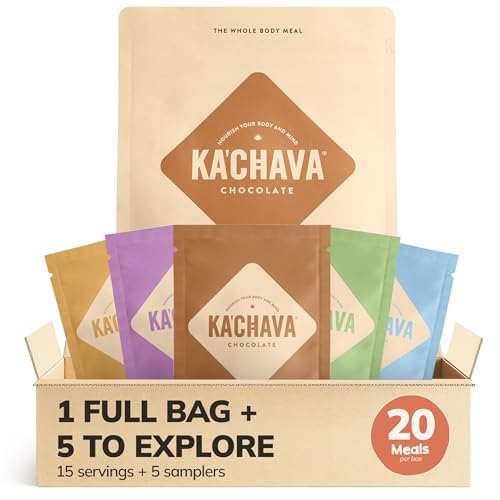
- YOUR GO-TO WHOLE BODY MEAL: Fuel your body with plant-based ingredients including pea protein, sacha inchi, maca root, k…
- WHOLE-BODY HEALTH: So much more than a protein powder, and more complete than your average meal replacement shake. Ka’Ch…
- UNMATCHED TASTE & TEXTURE: Most vegan meal replacement shakes taste earthy or gritty. Ka’Chava is rich, creamy, and smoo…
Based on current publicly available product information, a standard two-scoop serving of Ka’Chava typically provides:
- Calories: Around 240
- Protein: 25 grams (from plant sources like pea protein and brown rice protein)
- Carbohydrates: Roughly 20 grams
- Fat: Around 6 grams
- Fiber, vitamins, and minerals: Includes essential vitamins (A, C, D, E, B-complex), calcium, iron, magnesium, and zinc
- Extras: Probiotics, digestive enzymes, adaptogens (like maca root), and antioxidant-rich superfoods (like chia seeds and matcha)
Available flavors commonly include Vanilla, Chocolate, Coconut Açaí, Matcha, and Chai.
Does Ka’Chava Actually Work as a Meal Replacement?
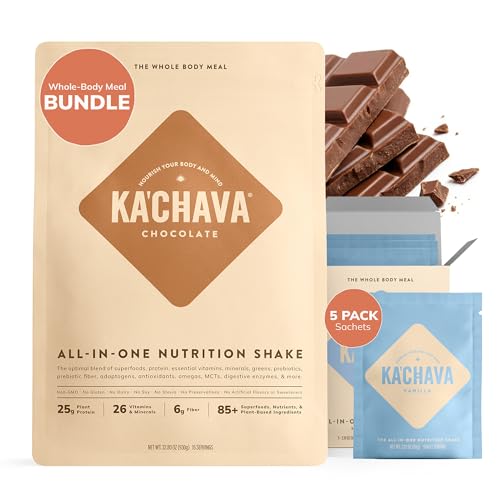
- YOUR GO-TO WHOLE BODY MEAL: Fuel your body with plant-based ingredients including pea protein, sacha inchi, maca root, k…
- WHOLE-BODY HEALTH: So much more than a protein powder, and more complete than your average meal replacement shake. Ka’Ch…
- UNMATCHED TASTE & TEXTURE: Most vegan meal replacement shakes taste earthy or gritty. Ka’Chava is rich, creamy, and smoo…
This is the most important question — and the honest answer is: it depends on your goals.
At around 240 calories per serving, Ka’Chava covers roughly 10–12% of the average daily caloric need for adults. That’s relatively low for something marketed as a full meal replacement. Nutrition experts generally agree it works better as:
- A protein-rich snack or breakfast booster
- A convenient nutrient top-up on busy days
- A light meal replacement paired with additional whole foods (like fruit, nut butter, or Greek yogurt) if used to skip a full meal
If you’re looking to replace a full meal without adding extra food, you may end up in a calorie deficit — which could be helpful for weight management goals, but isn’t ideal for everyone, especially active individuals with higher energy needs.
Taste and Texture
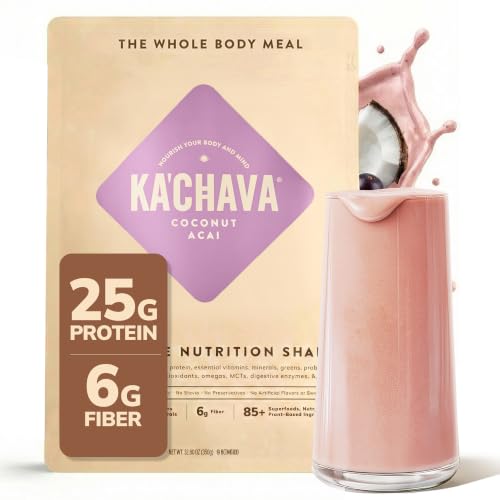
- YOUR GO-TO WHOLE BODY MEAL: Fuel your body with plant-based ingredients including pea protein, sacha inchi, maca root, k…
- WHOLE-BODY HEALTH: This isn’t just protein powder – it goes beyond your average meal replacement shake. It’s an everythi…
- UNMATCHED TASTE & TEXTURE: Most vegan meal replacement shakes taste earthy or gritty. Ka’Chava is rich, creamy, and smoo…
Independent testers consistently note that Ka’Chava has a noticeably different consistency than a traditional milkshake — thinner and more “green-smoothie-like” than the thick, creamy texture shown in marketing visuals. Many users improve the texture by blending it with:
- Frozen banana
- Ice
- Plant-based or dairy milk instead of water
- A spoon of nut butter
Flavor-wise, Chocolate and Coconut Açaí tend to get the most favorable reviews, while some users find the greens flavor noticeable in lighter blends like Vanilla.
Pros and Cons
Pros
- Extensive ingredient list (85+ plant-based ingredients)
- Solid plant-based protein content (25g)
- Includes fiber, probiotics, and digestive enzymes — features most protein powders lack
- No artificial sweeteners; naturally flavored
- Third-party testing certification for quality assurance
- Strong customer satisfaction ratings
Cons
- Premium price point (often $4–$5+ per serving)
- Doesn’t disclose exact quantities of each of the 85+ ingredients
- Relatively low calorie count for a true “meal replacement”
- Thinner texture than expected unless blended with extras
- May not suit those with soy, tree nut, or other specific allergies — always check the label
Ka’Chava vs. Other Shake Categories
Ka’Chava tries to combine three separate supplement categories into one product. Here’s how it compares:
| Category | What It Typically Offers | How Ka’Chava Compares |
|---|---|---|
| Protein Powders | High protein, minimal micronutrients | Similar protein (25g), plus added vitamins/fiber |
| Greens Powders | Vegetables, antioxidants, low protein | Ka’Chava adds meaningful protein on top of greens |
| Meal Replacement Shakes | Higher calories (300–400+) | Ka’Chava is lower-calorie, more of a “hybrid” shake |
In short, Ka’Chava sits in a middle ground — more complete than a basic protein shake, but lighter than a dedicated meal-replacement product like a mass gainer.
Who Should (and Shouldn’t) Try Ka’Chava?
Good fit for:
- People wanting a convenient plant-based protein + greens combo
- Those looking to supplement (not fully replace) meals
- Anyone wanting fewer supplements to manage (multivitamin + protein + greens in one)
Might not be ideal for:
- People needing a calorie-dense meal replacement for weight gain
- Budget-conscious shoppers, since it’s priced higher than most greens powders or protein blends
- Anyone who prefers full ingredient-quantity transparency on labels
Frequently Asked Questions
Is Ka’Chava good for weight loss?
It can support weight management when used as a controlled, lower-calorie meal substitute, but it shouldn’t be relied on alone — pairing it with balanced whole-food meals is generally recommended.
Is Ka’Chava vegan?
Yes, Ka’Chava is plant-based and formulated without animal-derived ingredients, making it suitable for vegan diets.
How many calories are in a Ka’Chava shake?
A standard two-scoop serving contains approximately 240 calories.
What does Ka’Chava taste like?
It has an earthy, slightly sweet taste from natural fruit and superfood ingredients, with a thinner consistency than a traditional milkshake unless blended with extras like banana or ice.
Is Ka’Chava worth the price?
It depends on your priorities. If you value an all-in-one plant-based formula with fiber, probiotics, and micronutrients, many users find it worth the premium. If cost-per-serving is your main concern, a basic protein or greens powder may be more budget-friendly.
Can I drink Ka’Chava every day?
Many users incorporate it daily as a breakfast or snack replacement. As with any supplement, it’s a good idea to check with a healthcare provider if you have specific dietary needs or health conditions.
Final Verdict
Ka’Chava isn’t a magic bullet, but it’s a genuinely well-formulated option for people who want a convenient, plant-based way to combine protein, greens, and micronutrients into a single daily habit. It works best as a nutrient-dense snack or light breakfast rather than a strict full-meal substitute — and its higher price tag reflects that broad ingredient profile.
If you’re deciding whether to try it, consider your actual goal first: are you looking for convenience and nutrient variety (Ka’Chava’s strength), or a calorie-dense meal replacement (where it falls a bit short)? That answer will tell you whether it’s the right fit for your routine.
Disclaimer: This article is for informational purposes only and does not constitute medical or nutritional advice. Consult a healthcare professional or registered dietitian before making changes to your diet or starting any new supplement.