Affiliate Disclosure: This post contains affiliate links. If you make a purchase through these links, we may earn a small commission at no extra cost to you. We only recommend brands and products we genuinely believe in.
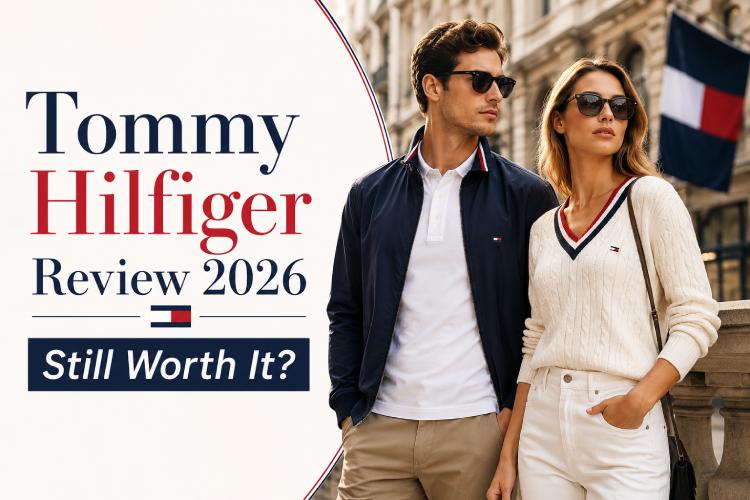
Few brands have made the American flag, the crest logo, and preppy nautical stripes as instantly recognizable as Tommy Hilfiger. More than three decades after its founding, the brand remains a genuine staple in American closets, spanning everything from everyday polos to full runway collections. Here’s a full breakdown of Tommy Hilfiger’s history, what it offers today, and whether it’s still worth buying.
What Is Tommy Hilfiger?
Tommy Hilfiger is an American fashion brand founded in 1985 by designer Tommy Hilfiger, who launched the label’s first menswear collection that year after years of hands-on retail experience running a store called People’s Place in upstate New York starting in 1969. The brand quickly became known for a signature preppy, All-American aesthetic built around classic silhouettes, bold color blocking, and nautical-inspired details, expanding into womenswear and the Tommy Girl fragrance by 1996 and growing internationally throughout the 1990s and 2000s.
Today, Tommy Hilfiger operates as part of PVH Corp., one of the world’s largest fashion companies, which also owns Calvin Klein. PVH (originally Phillips-Van Heusen Corporation) acquired Tommy Hilfiger in 2010 for approximately $3 billion, and the brand has continued to grow significantly under that ownership. Tommy Hilfiger remains involved with the company as Principal Designer, providing creative direction, while the business itself is led by a dedicated executive leadership team. PVH reported global revenues of $8.95 billion in 2025, with Tommy Hilfiger continuing to serve as one of the company’s two flagship global brands alongside Calvin Klein.
Tommy Hilfiger’s Brand Identity
Tommy Hilfiger has built its identity around what the brand describes as classic American cool, blending preppy heritage style with contemporary design. Signature elements include the brand’s red, white, and blue crest logo, nautical stripes, and clean, sportswear-inspired silhouettes that have remained recognizable even as specific collections have evolved with changing fashion trends. The brand has also built a long track record of celebrity and cultural collaborations over the years, including its TOMMYNOW runway show format and various high-profile creative partnerships, helping keep the label culturally relevant well beyond its original 1980s and 1990s heyday.
What Does Tommy Hilfiger Sell?
Men’s Apparel
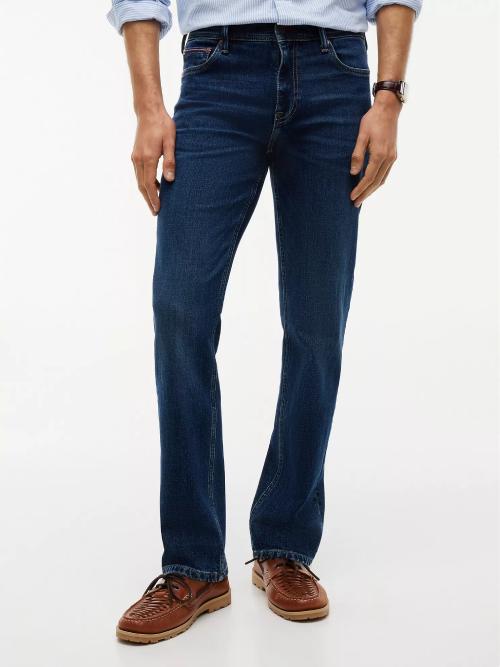
Polos, dress shirts, outerwear, and casualwear built around the brand’s classic American sportswear aesthetic, spanning both everyday essentials and more elevated pieces.
Women’s Apparel
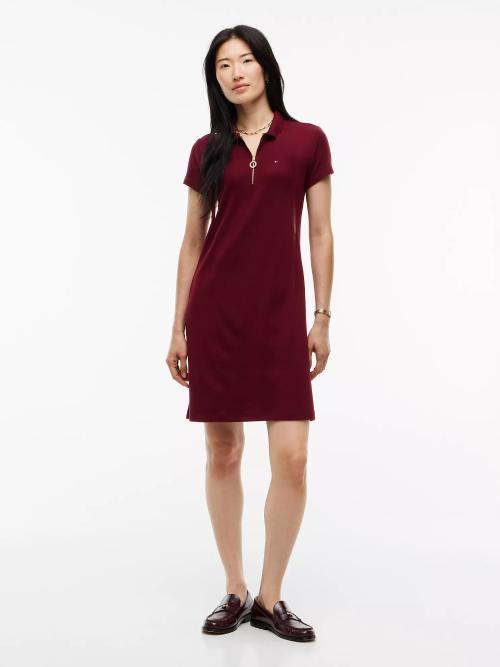
Dresses, tops, outerwear, and separates designed with the same preppy, heritage-inspired design language as the brand’s menswear.
Tommy Jeans
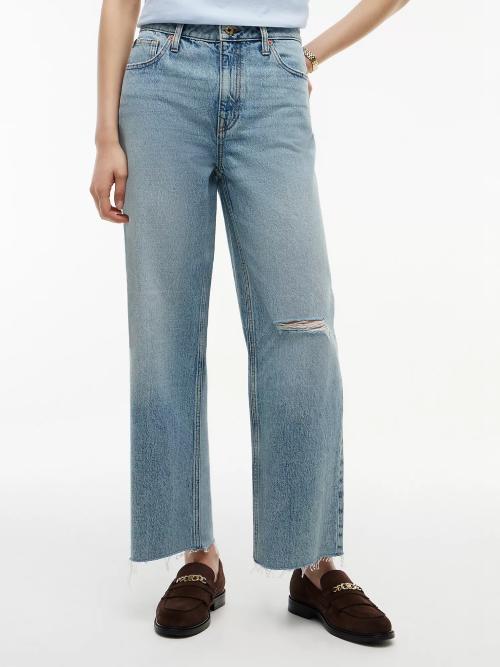
A denim-focused sub-brand offering a more casual, streetwear-influenced take on the Tommy Hilfiger aesthetic, popular among younger shoppers.
Kids’ Clothing
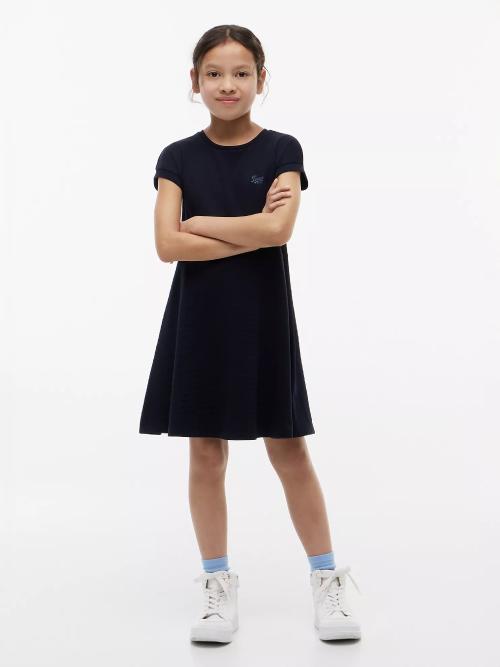
Children’s apparel extending the brand’s signature style to younger customers, often featuring the same recognizable logo and color-blocking details.
Underwear & Loungewear
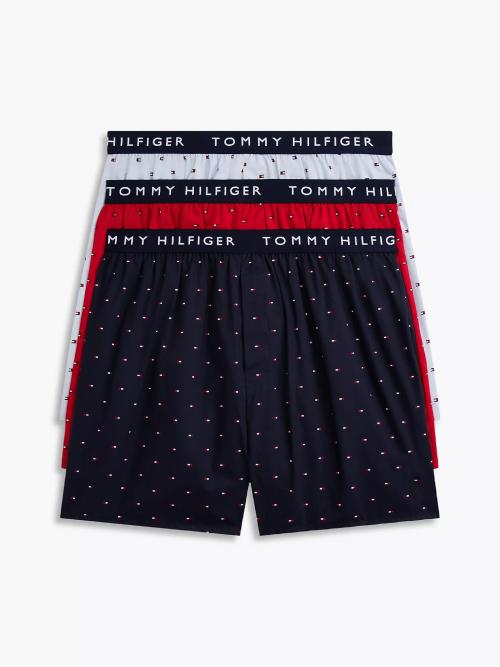
Everyday basics and loungewear offering an accessible entry point into the brand for shoppers not ready to invest in outerwear or full outfits.
Accessories
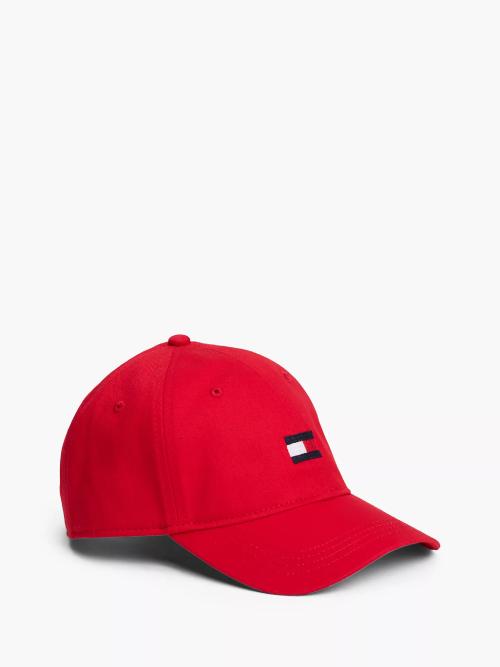
Bags, belts, and small accessories designed to complete a full Tommy Hilfiger look.
Fragrance
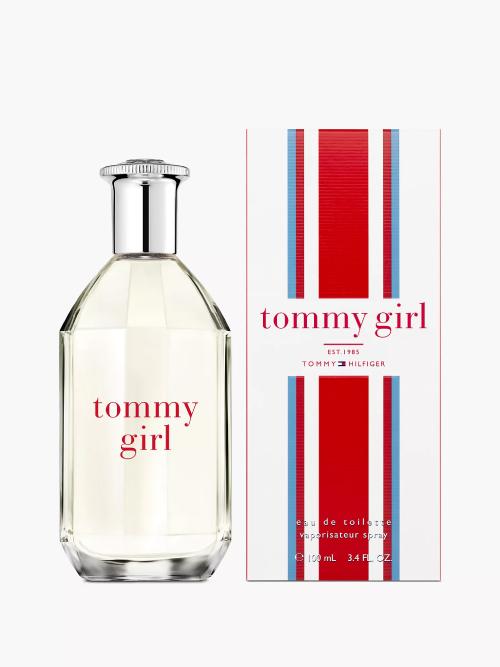
A long-running fragrance line, including the brand’s well-known Tommy Girl scent, extending the label beyond apparel into everyday lifestyle products.
Is Tommy Hilfiger Good Quality?
Tommy Hilfiger has built more than three decades of credibility as a premium lifestyle brand, a positioning reinforced by its ownership under PVH Corp., a major, publicly traded fashion company with significant resources dedicated to product development and quality control. As part of PVH’s broader strategic growth plan, the company has specifically stated its goal of building Tommy Hilfiger and Calvin Klein into the most desirable lifestyle brands globally, reflecting continued corporate investment in the brand’s product quality and market positioning rather than treating it as a legacy label coasting on nostalgia.
Because Tommy Hilfiger spans a wide range of product categories and price points, from accessible basics to more elevated collection pieces, quality can vary somewhat by specific product line, with core apparel like polos and outerwear generally receiving the most consistent praise for durability and classic design.
Tommy Hilfiger’s Corporate Structure and Leadership
Understanding Tommy Hilfiger’s current ownership helps explain the brand’s continued global reach and investment. PVH Corp., which also owns Calvin Klein, has a corporate history stretching back more than 140 years, originally founded as a shirt-making business before growing into one of the world’s largest fashion companies. PVH’s current strategic plan centers on driving Tommy Hilfiger and Calvin Klein toward becoming the most desirable lifestyle brands in the world, with dedicated global brand leadership overseeing that growth. This corporate backing has allowed Tommy Hilfiger to maintain a significant global retail presence, with products sold in more than 90 countries and distributed through both department stores and its own freestanding retail locations.
How Does Tommy Hilfiger Compare to Other American Lifestyle Brands?
| Feature | Tommy Hilfiger | Typical Contemporary Lifestyle Brand |
|---|---|---|
| Founded | 1985, New York | Varies |
| Parent company | PVH Corp. (also owns Calvin Klein) | Varies, often standalone |
| Global reach | 90+ countries, 1,000+ retail stores | Varies |
| Brand identity | Classic American preppy, nautical-inspired | Varies |
| Product range | Apparel, denim, fragrance, accessories, kids | Varies |
| Founder involvement | Tommy Hilfiger remains Principal Designer | Varies |
Tips for Buying Tommy Hilfiger
- Start with core classics like polos, oxford shirts, and outerwear if you want pieces that reflect the brand’s most established, longest-running design language
- Check Tommy Jeans separately if you want a more casual, denim-focused take on the brand’s aesthetic
- Look for outlet and seasonal sales, since Tommy Hilfiger runs frequent promotions across both its mainline and outlet channels
- Compare sizing across product lines, since fit can vary somewhat between the brand’s different collections and sub-labels
- Explore the fragrance line if you’re already a fan of the apparel and want to extend the brand’s aesthetic further
Final Verdict: Is Tommy Hilfiger Still Worth It?
More than three decades after its founding, Tommy Hilfiger remains one of the most recognizable names in American fashion, backed by the resources and strategic investment of PVH Corp., one of the largest fashion companies in the world. With continued founder involvement, a globally recognized preppy, nautical-inspired aesthetic, and a product range spanning everything from everyday basics to full runway collections, Tommy Hilfiger has proven it can evolve with changing trends while staying true to its classic American roots. For anyone looking for well-made, heritage-driven style, Tommy Hilfiger remains a solid, reliable choice.
Frequently Asked Questions
Who founded Tommy Hilfiger? Tommy Hilfiger was founded in 1985 by designer Tommy Hilfiger, who launched the brand’s first menswear collection after years of retail experience running a store called People’s Place.
Who owns Tommy Hilfiger? Tommy Hilfiger is owned by PVH Corp., a major publicly traded fashion company that also owns Calvin Klein. PVH acquired Tommy Hilfiger in 2010 for approximately $3 billion.
Is Tommy Hilfiger still involved with the brand? Yes, Tommy Hilfiger remains the brand’s Principal Designer, providing creative leadership and direction for the design process.
What is Tommy Jeans? Tommy Jeans is a denim-focused sub-brand of Tommy Hilfiger, offering a more casual, streetwear-influenced take on the label’s classic American aesthetic.
Is Tommy Hilfiger considered a luxury brand? Tommy Hilfiger is generally positioned as a premium lifestyle brand rather than a top-tier luxury label, offering elevated design and quality at more accessible price points than true luxury fashion houses.
How many countries does Tommy Hilfiger sell in? Tommy Hilfiger products are sold in more than 90 countries worldwide, through both department stores and more than 1,000 of the brand’s own retail locations.