

Walk into any Western wear store and you’ll see two very different philosophies staring back at you: the classic, handcrafted cowboy boot that’s barely changed in a century, and modern performance brands like Ariat that borrowed engineering straight from athletic footwear. Both look the part. Only one is built for how most people actually spend their day. Here’s how they really compare.
The Core Difference: Heritage Craft vs. Performance Engineering

Traditional cowboy boots were designed for one job: staying in a stirrup. Their tall shaft, pointed or narrow toe, underslung heel, and stiff leather sole all exist to grip a stirrup and protect a rider’s leg while horseback. That design has barely changed since the 1800s, and it’s part of why classic boots carry so much heritage appeal.
Ariat took a different approach. Founded in 1993 by former Reebok consultants who saw an opportunity to bring athletic shoe technology into riding boots, the brand set out to keep the Western silhouette while rebuilding what’s happening underfoot. The result is a boot that looks traditional from across the room but performs closer to a running shoe once you’re actually wearing it.
Comfort and All-Day Wear
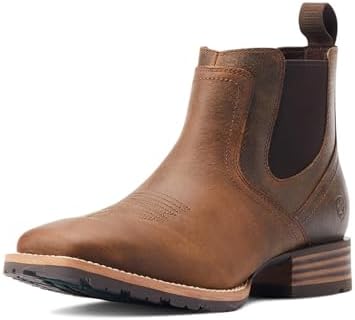
This is where the two categories split the most.
Traditional cowboy boots typically use a flat, minimally cushioned leather insole and a stiff outsole. They’re excellent in the saddle, where your foot rests in a stirrup rather than bearing full weight on pavement or concrete. But for walking, standing, or working on hard ground for hours, that rigidity can translate to sore arches and tired feet by the end of the day.
Ariat boots are built around cushioned, contoured footbeds and shock-absorbing midsoles engineered specifically to reduce fatigue during long hours on your feet. The brand refined its outsoles, arch support, and last construction specifically to support balance and stability well beyond the stirrup, which is why Ariat has become popular not just with riders but with people working full shifts on concrete or uneven ground.
Durability and Construction

Classic cowboy boots are often built using time-tested methods like Goodyear welt construction, where the sole is stitched rather than glued to the upper. This makes the boot resoleable and, in many cases, capable of lasting decades with the right care — a major reason collectors and traditionalists stay loyal to old-school bootmakers.
Ariat uses similar premium construction techniques in many of its lines, including full-grain leather uppers and Goodyear welt builds on select styles, while also adding features traditional boots don’t typically offer: waterproof membranes, oil- and slip-resistant outsoles, and reinforced toe options. So while a well-cared-for traditional boot can outlast almost anything, Ariat closes much of that durability gap while adding weather and workplace protection most classic boots skip entirely.
Fit and Sizing
Traditional cowboy boots tend to run narrow through the shaft and vamp, reflecting their original stirrup-focused design. That can be a great fit if you have narrower feet and calves, but frustrating if you don’t.
Ariat offers a wider range of toe shapes (square, wide square, round, and cutter) and width options, plus wide-calf styles, making it easier to find a true fit without breaking in a boot for months first.
Style and Occasion
If you want the unmistakable, timeless silhouette that says “classic Western boot” — the kind worn for generations on ranches and in rodeo arenas — a traditional boot delivers that in its purest form. Many traditionalists also value the handcrafted, small-batch feel of heritage bootmakers, where no two pairs are exactly alike.
Ariat, meanwhile, spans a much wider range of use cases within a Western-inspired look: dressy Chelsea-style boots for the office, ventilated styles for hot climates, waterproof boots for wet job sites, and rugged work boots with safety toes — all while keeping recognizable Western design cues like stitched shafts and stacked heels.
Price and Value
Entry-level traditional cowboy boots can be less expensive upfront, but premium handcrafted pairs from heritage bootmakers often cost significantly more than a comparable Ariat style. Ariat generally sits in the mid-to-premium range, and the added comfort technology and durability features tend to offer stronger everyday value, especially for anyone wearing their boots for work rather than occasional wear.
Which One Should You Choose?
- Choose traditional cowboy boots if: you ride frequently, want maximum heritage authenticity, or prioritize a narrow, classic silhouette over all-day cushioning.
- Choose Ariat if: you’re on your feet for long stretches, need waterproofing or safety features, want a wider range of fits, or simply want Western style that doesn’t sacrifice comfort.
For most people today — whether working a ranch, a job site, or just wearing boots as a daily driver — the added comfort technology in a brand like Ariat makes a noticeable, all-day difference that traditional construction alone doesn’t offer.
Frequently Asked Questions
Are Ariat boots considered “real” cowboy boots? Yes. Ariat makes true Western boots with classic silhouettes, leather uppers, and stacked heels — the difference is what’s built into the sole and footbed, not the overall style or category.
Do Ariat boots run true to size compared to traditional cowboy boots? Ariat generally offers a wider range of width and toe-shape options than traditional bootmakers, which often means an easier, truer fit for a broader range of foot shapes.
Are traditional cowboy boots more durable than Ariat? Both can be highly durable. Many traditional and Ariat boots use similar construction methods, like Goodyear welting, though heritage handmade boots may be more easily resoled over many decades of wear.
Which is better for standing all day at work? Ariat is generally the better choice for all-day standing or walking, thanks to cushioned footbeds and shock-absorbing midsoles specifically engineered to reduce foot fatigue.
Can I wear Ariat boots for horseback riding? Yes. Ariat was originally founded to serve equestrian riders and remains widely used by professional riders, ranchers, and rodeo athletes today.
Are traditional cowboy boots better for riding than Ariat? Not necessarily. Ariat boots are designed with stirrup-friendly soles and heels for riding, while also adding comfort features, so many riders use them interchangeably with classic styles.
The Bottom Line
Traditional cowboy boots and Ariat aren’t really competitors in the “authentic vs. fake” sense — they’re two different answers to the same question. If your boots need to survive a full workday, varied weather, or hours of standing, Ariat’s performance-driven construction is hard to beat. If you want the purest, most classic expression of Western bootmaking and don’t mind a break-in period, traditional craftsmanship still holds its own. Either way, knowing what each is actually built for makes it much easier to choose the right pair.
This post may include affiliate links. If you make a purchase through one of these links, we may earn a small commission at no extra cost to you.