
Affiliate Disclosure: This post contains affiliate links. If you make a purchase through these links, we may earn a small commission at no extra cost to you. We only recommend brands and products we genuinely believe in. This post is for informational purposes only and is not medical advice. Consult a healthcare provider about your specific menstrual health needs.
Before Thinx, “period underwear” wasn’t really a category most people thought about, pads and tampons were just the default. Thinx is widely credited with turning leak-resistant underwear into a mainstream, multi-brand product category almost on its own. More than a decade later, here’s a full, honest breakdown of what Thinx actually offers, how reliable it is, and what’s worth knowing about the company before you buy.
What Is Thinx?
Thinx is an American period and incontinence underwear brand founded in 2011 (the company’s own materials also cite 2014) by Miki Agrawal, her sister Radha Agrawal, and Antonia Saint Dunbar, headquartered in New York City. The idea came from an extremely common, extremely underserved problem: period leaks ruining underwear, clothing, and sheets, something most women have experienced but that no mainstream product had really been designed to solve directly. Thinx developed multi-layer, leak-resistant fabric technology built directly into regular-looking underwear, letting customers wear it alone or as backup alongside a tampon, pad, or cup, and then simply wash and reuse it.
The brand grew quickly in its early years, driven partly by deliberately taboo-breaking marketing that talked openly about periods at a time when most advertising avoided the topic entirely. Under Miki Agrawal’s leadership, Thinx was named to Fast Company’s “World’s Most Innovative Companies” list in 2017 and one of TIME Magazine’s 25 Best New Inventions of 2015. The company has since expanded its brand portfolio to include Thinx Teens (BTWN), period underwear designed specifically for younger users, and Speax by Thinx, a line focused on incontinence underwear.
A Few Important Things to Know Before You Buy
Being genuinely useful here means being upfront about some real history, not just the marketing pitch.
Leadership change in 2017. Miki Agrawal resigned as CEO in 2017 following a company investigation into allegations of workplace misconduct and sexual harassment, which she publicly disputed. Thinx reached a settlement with a former employee without admitting wrongdoing. This is relevant background for a brand review, though it’s worth noting the underlying company and product have continued operating and evolving well beyond that leadership transition.
Current ownership. Thinx is now majority owned by Kimberly-Clark Corporation, the consumer products company behind brands like Kleenex and Kotex. Kimberly-Clark first took a minority equity stake, then completed a majority acquisition in February 2022, and increased its ownership to roughly 70% in 2023.
2023 PFAS class-action settlement. In January 2023, Thinx settled a class-action lawsuit, agreeing to pay up to $5 million (reports cite figures between $4 million and $5 million), after customers alleged the company’s underwear contained PFAS (“forever chemicals”) despite being marketed as organic, sustainable, and nontoxic. Thinx denied any wrongdoing as part of the settlement and stated that PFAS was never intentionally part of its product design. As part of the settlement terms, the company agreed to take additional steps to ensure PFAS are not intentionally added to its products going forward and to disclose its use of antimicrobial treatments, including a compound called Agion, on its website. If ingredient transparency and chemical safety are a top priority for you, it’s worth reading Thinx’s current, publicly posted ingredient and safety information directly before purchasing.
None of this means the product doesn’t work or isn’t worth considering, but a thorough review should include it rather than pretend it doesn’t exist.
What Does Thinx Sell?
Period Underwear
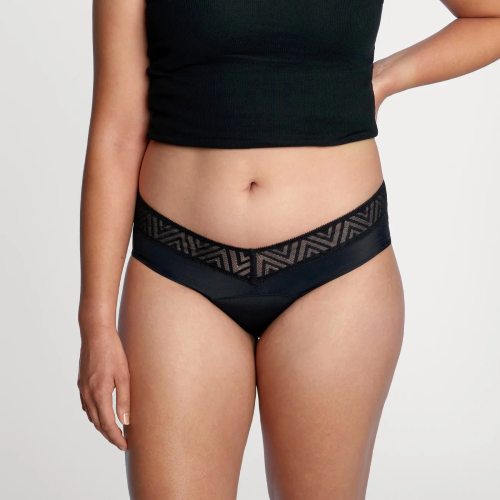
The brand’s core and founding product, available in multiple styles, from bikini and hipster cuts to high-waisted and boyshort styles, each with a different level of absorbency depending on flow needs.
Thinx Teens (BTWN)

A dedicated period underwear line designed specifically for teens and tweens, offering a similar leak-resistant design in sizing and styling appropriate for younger users.
Speax by Thinx
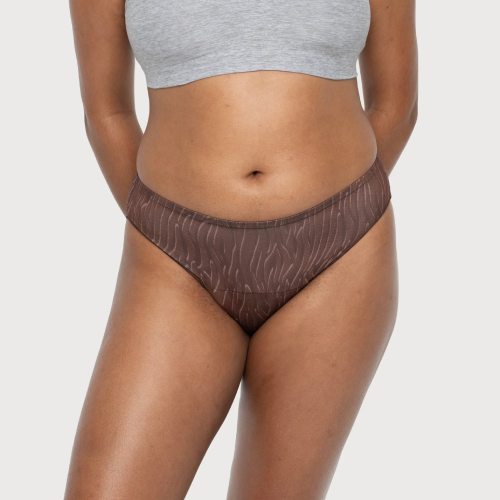
Incontinence underwear built using similar absorbent, leak-resistant fabric technology, designed for light to moderate bladder leaks rather than menstrual flow specifically.
Organic Tampons & Accessories
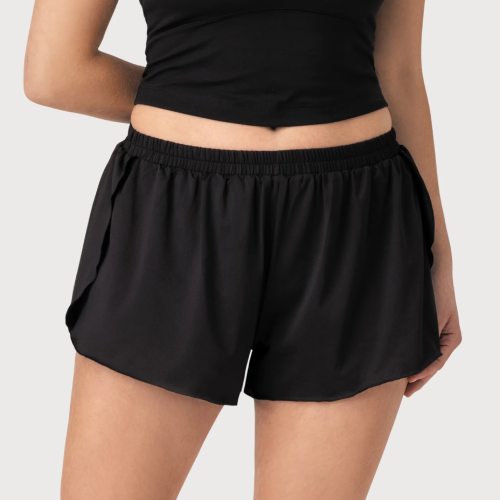
Organic cotton tampons and a reusable tampon applicator, rounding out Thinx’s broader menstrual care product range beyond underwear alone.
Is Thinx Good Quality?
Thinx is generally credited with pioneering the modern period underwear category and remains one of the most recognized names in it, which reflects sustained consumer trust over more than a decade, even through a high-profile leadership change and a product safety lawsuit. The core multi-layer fabric design, meant to absorb flow while staying breathable and feeling like regular underwear, is the feature most customer reviews focus on, with feedback generally describing the product as comfortable and effective for light to moderate flow days, sometimes less consistently for very heavy flow.
As with any period or incontinence product, comfort and absorbency performance can vary by individual body and flow level, so it’s worth checking the specific absorbency rating for the style you’re considering, and reading current customer reviews for that exact product, rather than assuming all Thinx styles perform identically.
How Does Thinx Compare to Other Period Underwear Brands?
| Feature | Thinx | Typical Competing Period Underwear Brand |
|---|---|---|
| Founded | 2011/2014, New York City | Varies |
| Category status | Widely credited as the category pioneer | Varies |
| Current ownership | Majority owned by Kimberly-Clark (since 2022) | Varies |
| Product range | Period, teen, and incontinence underwear, tampons | Varies, often narrower |
| PFAS/safety lawsuit history | Yes, 2023 class-action settlement | Varies |
| Brand recognition | High, early mainstream media coverage | Varies |
Tips for Buying Thinx
- Match the style to your flow level, since different Thinx cuts and styles are rated for different absorbency needs
- Read the current ingredient and safety disclosures on Thinx’s website if chemical content is a priority for you, given the brand’s 2023 settlement and subsequent disclosure commitments
- Wash according to the care instructions to maintain the fabric’s absorbency and leak resistance over repeated uses
- Consider Speax specifically if you’re shopping for incontinence rather than period-related needs
- Check Thinx Teens (BTWN) if you’re buying for a younger user, since sizing and design differ from the adult line
Final Verdict: Is Thinx Worth It?
Thinx helped create an entire product category and remains one of the most recognized names in period underwear, backed by more than a decade of product development and now the resources of Kimberly-Clark as majority owner. The brand’s history includes a serious 2017 leadership controversy and a 2023 product safety lawsuit, both worth knowing about, but the core product continues to be widely used and generally well-reviewed for comfort and everyday leak protection. For anyone looking to reduce reliance on disposable period products, Thinx is worth trying, just go in informed about the company’s full history and check current ingredient disclosures if that matters to you.
Frequently Asked Questions
Who founded Thinx?
Thinx was founded by Miki Agrawal, her sister Radha Agrawal, and Antonia Saint Dunbar, with company sources citing both 2011 and 2014 as founding years.
Who owns Thinx now?
Thinx is majority owned by Kimberly-Clark Corporation, which first acquired a majority stake in February 2022 and increased its ownership to roughly 70% in 2023.
Did Thinx have a lawsuit about PFAS chemicals?
Yes, in January 2023 Thinx settled a class-action lawsuit for up to $5 million after customers alleged its products contained PFAS despite being marketed as nontoxic. Thinx denied wrongdoing as part of the settlement.
What happened with Thinx’s founder, Miki Agrawal?
Miki Agrawal resigned as CEO in 2017 following an internal investigation into workplace misconduct allegations, which she publicly disputed. The matter was settled without an admission of wrongdoing.
What is Speax by Thinx?
Speax is Thinx’s incontinence underwear line, using similar absorbent, leak-resistant fabric technology as the brand’s period underwear, designed for light to moderate bladder leaks.
Is Thinx good for heavy period flow?
Thinx offers styles with different absorbency levels, and feedback suggests performance is generally strongest for light to moderate flow; checking the specific absorbency rating for your chosen style is recommended for heavier days.