
Affiliate Disclosure: This post contains affiliate links. If you make a purchase through these links, we may earn a small commission at no extra cost to you. We only recommend brands and products we genuinely believe in. This post is for informational purposes only and is not medical advice. Consult a healthcare professional before using percussive therapy devices, especially if you have an existing injury or medical condition.
Some products become so dominant they turn into verbs, and “Theragun” is a genuine example, alongside names like Kleenex and Band-Aid. What started as a chiropractor’s garage invention to manage his own chronic pain has grown into a billion-dollar wellness technology company. Here’s a full breakdown of Therabody’s history, what it offers today, and whether the Theragun is still worth buying.
What Is Therabody?
Therabody, formerly known as Theragun, is an American wellness technology company founded by Dr. Jason Wersland, a Los Angeles-based chiropractor. The company’s origin story is genuinely personal: after surviving a traumatic motorcycle accident in 2007 or 2008 (reported both ways across company materials), Wersland was left with chronic pain that traditional treatment wasn’t fully resolving. Because he needed relief between physical therapy sessions and couldn’t find a portable device that actually worked, he built a makeshift percussive tool himself, initially from a power drill in his garage.
That homemade device eventually became the foundation for a real product. Wersland spent nearly a decade developing five different prototypes before Theragun launched its first commercial product, the G1, in 2016. The G2PRO followed in 2017, establishing Theragun as the industry leader in percussive therapy. In 2020, the company officially rebranded from Theragun to Therabody, reflecting its expansion well beyond a single percussive massage device into a broader ecosystem of wellness technology. Today, Therabody products are trusted by professional athletes, sports teams, celebrities, and physical therapists in more than 60 countries, and the company has grown into what’s been described as a billion-dollar wellness platform.
Why Did Theragun Become Therabody?
Understanding the 2020 rebrand helps explain the full scope of what the company offers today. Alongside the name change, Therabody launched TheraOne, a USDA Certified Organic CBD line, and introduced its 4th generation Theragun devices featuring new QuietForce Technology and Smart Percussive Therapy, integrated directly with the Therabody app. According to Dr. Wersland, the rebrand reflected a natural progression as the company expanded beyond percussive massage into a more complete wellness ecosystem, while still continuing Theragun’s original mission of providing natural, technology-driven wellness solutions.
What Makes Therabody Different?
- Genuine founder-driven, clinically informed design — as a practicing chiropractor, Dr. Wersland brought real clinical expertise to the product’s development, not just an engineering background
- Proprietary QuietForce Technology — Therabody’s newer devices use a custom motor designed specifically to reduce noise while maintaining strong percussive force, addressing one of the most common early complaints about massage guns
- App-connected Smart devices — many current Therabody products connect via Bluetooth to the Therabody app, offering remote speed control, guided wellness routines, and integration with major health apps
- Broad wellness ecosystem — beyond percussive therapy, Therabody has expanded into pneumatic compression (RecoveryAir), electrical stimulation (PowerDot), vibration therapy (Wave series), and organic CBD products (TheraOne)
- Deep sports industry trust — the company has stated that more than 250 sports teams worldwide trust Therabody products for athlete training and recovery, reflecting sustained credibility at the professional level
What Does Therabody Sell?
Theragun Percussive Therapy Devices
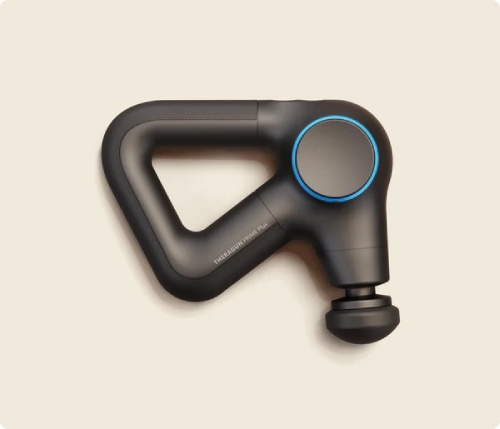
The company’s flagship and category-defining product line, now in its fourth generation, offering percussive massage devices in various sizes and power levels, from the compact Theragun Mini to more powerful Pro-level devices designed for deeper muscle treatment.
RecoveryAir Compression Devices
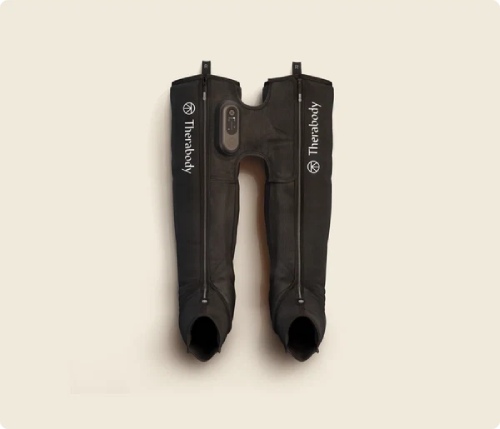
Pneumatic compression boots and gear designed to support circulation and recovery, particularly popular among runners and endurance athletes.
PowerDot Electrical Stimulation
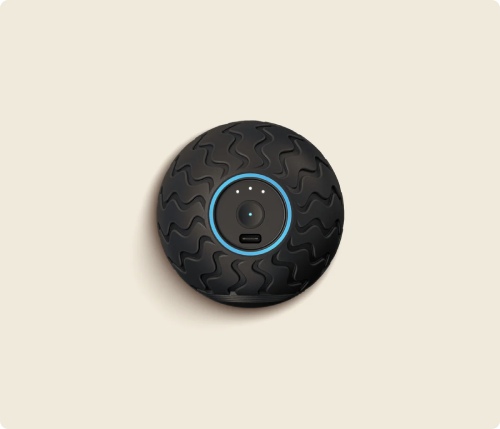
Electrical muscle stimulation devices designed to support muscle activation, recovery, and pain management through targeted electrical impulses.
Wave Series Vibration Therapy
Vibration therapy tools designed for a different mechanism of muscle relief and mobility work compared to percussive devices.
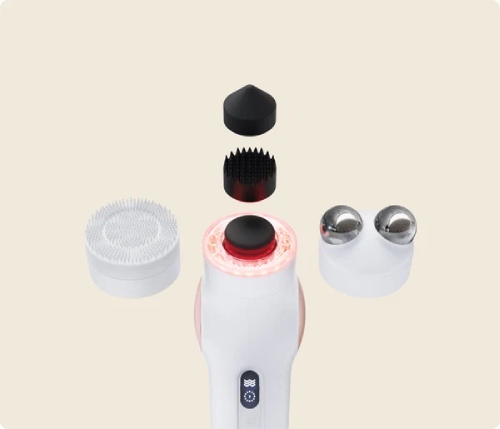
TheraFace

A skincare and facial wellness device line, extending Therabody’s percussive and vibration technology into facial massage and skincare application.
TheraOne CBD
A USDA Certified Organic CBD product line, launched alongside the 2020 rebrand, offering topical wellness products to complement the company’s device-based offerings.
Is Therabody Good Quality?
Therabody has built substantial credibility over more than a decade of research and development, backed by clinical testing with patients and physical therapists throughout the product’s early development. The Theragun’s evolution across four generations, from the original G1 through the current QuietForce-equipped Smart devices, reflects ongoing investment in addressing real user feedback, including common complaints about early massage gun noise levels and battery life.
The brand’s deep trust among more than 250 professional sports teams and high-profile athlete endorsements over the years further supports its reputation as a serious, clinically informed wellness technology company rather than a purely consumer gadget brand. As with any percussive therapy device, it’s worth using proper technique and consulting a healthcare provider if you have an existing injury, since improper use of any massage device carries some risk of aggravating certain conditions.
How Does Therabody Compare to Other Massage Gun Brands?
| Feature | Therabody (Theragun) | Typical Competing Massage Gun Brand |
|---|---|---|
| Founded | 2008 (as Theragun), rebranded 2020 | Varies |
| Founder background | Practicing chiropractor | Varies |
| Product ecosystem | Percussive therapy, compression, e-stim, vibration, CBD, skincare | Often single-category |
| App integration | Yes, Bluetooth-connected Smart devices | Varies |
| Professional sports trust | 250+ sports teams | Varies |
| Generations of R&D | 4th generation devices | Varies |
Tips for Buying Therabody
- Choose based on your primary use case — the Theragun Mini for portability and everyday use, or a Pro-level device for deeper, more intensive muscle treatment
- Check app compatibility if you want guided routines and remote control features on newer Smart devices
- Consult a healthcare provider first if you have an existing injury, are pregnant, or have a medical condition that could be affected by percussive therapy
- Explore the broader ecosystem like RecoveryAir or PowerDot if you want a more complete recovery routine beyond just percussive massage
- Learn proper technique before using any percussive device intensively, since technique affects both effectiveness and safety
Final Verdict: Is Therabody Still Worth It?
More than a decade after Dr. Jason Wersland built his first makeshift percussive tool out of necessity, Therabody has grown from a single garage invention into a genuinely category-defining wellness technology company trusted by professional athletes and everyday users across more than 60 countries. With continued innovation across four generations of Theragun devices, an expanding ecosystem spanning compression, electrical stimulation, and skincare, and deep clinical credibility behind its founding story, Therabody remains one of the most trusted names in at-home recovery technology. For anyone serious about muscle recovery and wellness, Therabody is well worth the investment.
Frequently Asked Questions
Who founded Therabody? Therabody, originally launched as Theragun, was founded by Dr. Jason Wersland, a Los Angeles-based chiropractor, after he built a makeshift percussive device to manage chronic pain following a motorcycle accident.
Why did Theragun change its name to Therabody? Theragun rebranded to Therabody in 2020 to reflect the company’s expansion beyond a single percussive massage device into a broader wellness technology ecosystem, including CBD products and additional recovery devices.
What is QuietForce Technology? QuietForce Technology is Therabody’s proprietary motor design used in its newer Theragun devices, engineered to significantly reduce device noise while maintaining strong percussive force.
Are Therabody products used by professional athletes? Yes, Therabody states its products are trusted by more than 250 professional sports teams worldwide, along with individual professional athletes, celebrities, and physical therapists.
Does Therabody make products besides the Theragun? Yes, Therabody’s broader ecosystem includes RecoveryAir pneumatic compression devices, PowerDot electrical stimulation, Wave series vibration therapy tools, TheraFace skincare devices, and TheraOne CBD products.
Is it safe to use a Theragun on any injury? Percussive therapy devices are generally used for general muscle soreness and recovery, but it’s recommended to consult a healthcare provider before use if you have an existing injury or medical condition, since improper use could potentially aggravate certain issues.