Affiliate Disclosure: This post contains affiliate links. If you make a purchase through these links, we may earn a small commission at no extra cost to you. We only recommend brands and products we genuinely believe in.
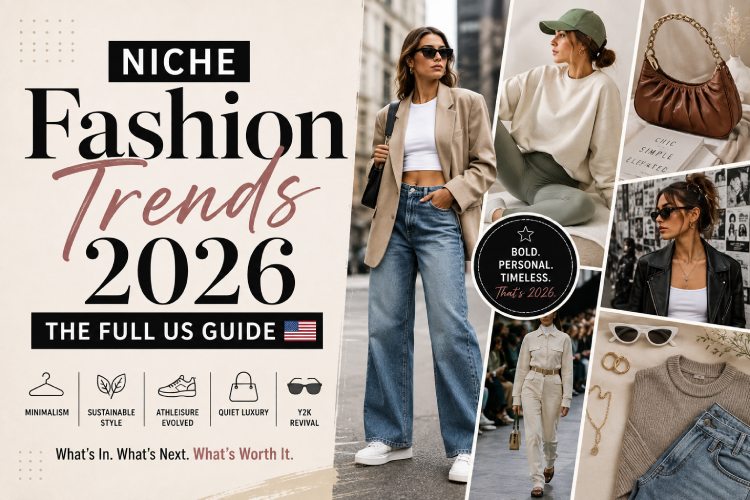
Fashion forecasting used to mean a single “trend of the season” handed down from a handful of magazines. That model is officially dead in 2026. Instead, American shoppers are splitting off into distinct, self-contained style tribes, each with its own TikTok ecosystem, its own brand cluster, and its own visual language. Here’s a complete breakdown of the niche fashion trends actually shaping closets across the US this year.
Why “One Big Trend” No Longer Exists
The old model of trend forecasting, one dominant look declared each season by a handful of publications, has given way to something more fragmented. Instead of a single universal trend, the current fashion landscape is organized around a handful of parallel, coexisting niches, each with its own community, aesthetic vocabulary, and dedicated brand ecosystem. Rather than one trend replacing another, these niches run side by side, overlapping at the edges without any single style dominating the others. For shoppers, that means the real opportunity in 2026 isn’t chasing “the” trend, it’s identifying which niche actually fits your lifestyle, body, and city, since pieces bought purely because they were declared trendy tend to go unworn within weeks.
The Six Niches Actually Driving 2026 Style
Y2K Maturity (The Second Wave)
Early-2000s revival fashion has evolved past its first flame-print, low-rise phase into a more wearable second act. Think wide-leg denim, distressed bleach-wash finishes, mesh layering, and a single standout silver accessory rather than an overload of early-2000s references. This niche pulls heavily from a female-skewing audience and continues to dominate casual, everyday styling.
Businesscore
A polished, office-inspired aesthetic that repurposes traditional workwear pieces, blazers, tailored trousers, structured bags, into everyday, non-corporate styling. This trend reflects a broader cultural shift toward “quiet,” intentional dressing rather than maximalist statement pieces.
Techwear Reboot
Utility-driven, function-first fashion built around technical fabrics, multiple pockets, and a muted, tactical color palette. This niche skews more toward male shoppers and continues to draw from streetwear and outdoor gear influences.
Soft-Grunge
A softened, more wearable take on 1990s grunge styling, blending oversized knitwear, faded washes, and lo-fi textures with more polished, intentional layering than the genre’s original, rougher iteration.
Opium
A moodier, darker aesthetic built around deep tones, dramatic silhouettes, and a more editorial, statement-driven approach to everyday dressing.
Berlin Techno
A minimalist, monochrome-heavy aesthetic drawing from European club and techno culture, favoring sleek, utilitarian silhouettes over decorative detailing.
What’s Driving These Niches: The Bigger Picture
A few broader forces are shaping how these micro-trends spread and stick in 2026:
- Micro-community influence over mass influencers — niche creators with smaller but genuinely engaged audiences are increasingly driving real purchasing decisions more effectively than broad-reach celebrity endorsements
- Shoppertainment and live content — interactive, creator-led video content that lets shoppers buy directly within the content itself is becoming a primary discovery channel for niche fashion pieces
- A pullback from fleeting micro-trends toward investment pieces — rather than chasing every fast-moving trend, many shoppers are favoring tactile materials, bold prints, and individual statement pieces that mix high street, secondhand, and higher-end items together
- Return of classic prints — leopard, polka dot, and stripe patterns continue holding steady appeal, alongside a resurgence of boho-inspired paisleys and romantic florals
- Identity-driven niche dressing — consumers increasingly favor brands and aesthetics that align with their personal identity and values over generic, broadly marketed trend pieces
How to Actually Shop These Niches (Without Wasting Money)
Because these aesthetics are genuinely distinct rather than variations on one trend, the biggest shopping mistake is trying to buy a little bit of everything. A few practical guidelines:
- Pick the niche that matches your existing wardrobe and lifestyle, not the one that’s most visible online, since a Techwear-heavy closet won’t necessarily suit a Businesscore daily routine
- Invest in one or two statement pieces per niche rather than a full head-to-toe look, especially for higher-visibility trends like Opium or micro-shorts styling that tend to generate attention more easily than everyday wearability
- Watch for crossover pieces — a well-cut blazer works across Businesscore and Soft-Grunge, while a single silver accessory can anchor a Y2K Maturity look without committing to the full aesthetic
- Prioritize tactile, well-made materials over purely trend-driven silhouettes, since the broader 2026 shift favors individual quality pieces over disposable micro-trend items
- Follow niche-specific creators, not just broad fashion influencers, since micro-community voices are increasingly where these aesthetics are actually being defined and refined
Niche Trends by Category
Bottoms
Wide-leg denim continues to anchor the Y2K Maturity niche, while tailored micro shorts, styled with oversized blazers or sheer layering rather than as standalone basics, are emerging as a high-visibility item within Gen Z-driven trend cycles, particularly for nightlife and going-out looks.
Outerwear
Structured blazers remain central to Businesscore styling, while technical, multi-pocketed jackets anchor the Techwear Reboot aesthetic.
Prints & Patterns
Classic leopard, polka dot, and stripe prints remain consistently popular across multiple niches, while boho-inspired paisleys and romantic florals are seeing renewed interest heading into warmer seasons.
Accessories
A single standout silver accessory has become a defining detail within Y2K Maturity styling, while structured bags and minimal jewelry anchor the Businesscore look.
Final Verdict: Building a Wardrobe for 2026’s Niche Fashion Landscape
The biggest shift in American fashion for 2026 isn’t a new silhouette or color, it’s the complete fragmentation of “trend” itself into distinct, coexisting style niches. Rather than chasing a single seasonal look, the smartest approach is identifying which of these niches, Y2K Maturity, Businesscore, Techwear, Soft-Grunge, Opium, or Berlin Techno, genuinely fits your existing style and life, then investing in a handful of well-made pieces within that lane rather than spreading your budget thin across every trending aesthetic at once.
Frequently Asked Questions
What are the biggest niche fashion trends in the US for 2026? The six leading niche fashion trends in 2026 are Y2K Maturity, Businesscore, Techwear Reboot, Soft-Grunge, Opium, and Berlin Techno, each with its own distinct aesthetic, audience, and brand ecosystem.
Is there one dominant fashion trend in 2026? No, 2026 fashion is defined by fragmented, coexisting niches rather than a single dominant trend, with each aesthetic serving a different audience and running in parallel rather than replacing one another.
What clothing pieces define the Y2K Maturity trend? Y2K Maturity in 2026 centers on wide-leg denim, distressed bleach-wash finishes, mesh layering, and a single standout silver accessory, moving beyond the flame-print and low-rise styling of the earlier 2000s revival.
What is Businesscore fashion? Businesscore is a polished, workwear-inspired aesthetic that repurposes traditional office pieces like blazers and tailored trousers into everyday, non-corporate styling.
Are classic prints like leopard and stripes still trending in 2026? Yes, leopard, polka dot, and stripe prints continue to hold steady popularity across multiple style niches, alongside a growing resurgence of boho-inspired paisleys and florals.
How should I shop for niche fashion trends without overspending? Focus on one or two niches that genuinely match your existing wardrobe and lifestyle, invest in a few well-made statement pieces rather than a full look, and prioritize tactile, quality materials over purely trend-driven items.