Affiliate Disclosure: This post contains affiliate links. If you make a purchase through these links, we may earn a small commission at no extra cost to you. We only recommend brands and products we genuinely believe in.
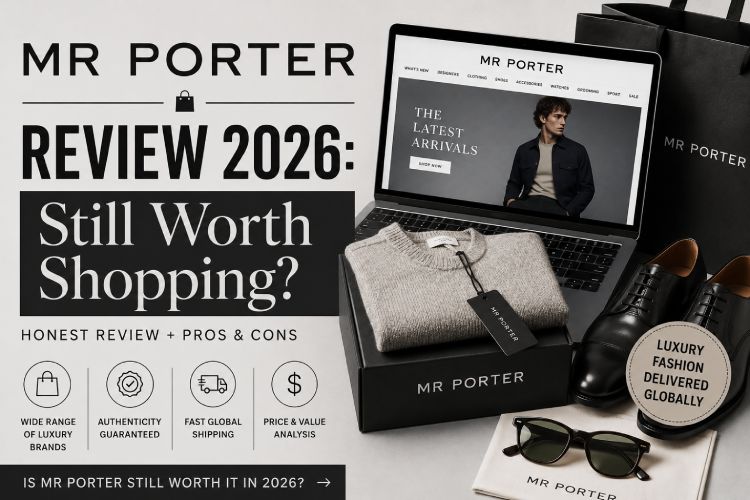
Shopping luxury menswear used to mean navigating separate boutiques for tailoring, footwear, watches, and grooming, each with its own confusing sizing and service standards. Mr Porter was built to consolidate all of that into a single, expertly curated destination, and more than fifteen years later, it remains one of the most trusted names in men’s online luxury shopping. Here’s a full breakdown of Mr Porter’s history, its recent ownership change, and whether it’s still worth shopping.
What Is Mr Porter?
Mr Porter is a London-based online luxury menswear retailer that launched in February 2011 as the menswear counterpart to NET-A-PORTER, the pioneering women’s luxury e-commerce site founded by Natalie Massenet in 2000. Mr Porter launched with around 80 brands, bringing together established luxury houses, contemporary labels, premium casualwear, and category specialists spanning tailoring, shirting, trousers, shoes, and accessories, introducing names like Boglioli, Incotex, Turnbull & Asser, and John Lobb to a wider audience than many customers would have encountered in a single department store or flagship boutique.
From the very beginning, education was a core part of what set Mr Porter apart from typical luxury retailers: rather than just listing products, the site built out expert styling advice and immersive editorial content designed to help men shop with more confidence. That content-first approach has remained central to the brand’s identity through more than fifteen years and several ownership changes.
Mr Porter’s Ownership History
Understanding Mr Porter’s corporate structure helps explain the resources and stability behind the platform. In 2015, Mr Porter became part of YOOX NET-A-PORTER Group (YNAP) following the merger of Yoox Group, founded by Federico Marchetti in Milan, and Net-a-Porter Group, founded by Natalie Massenet in London, both of which had originally launched in June 2000. That merger created what became the world’s leading online luxury retailer at the time, encompassing Net-A-Porter, Mr Porter, YOOX, and The Outnet under one group. In 2018, YOOX NET-A-PORTER was fully acquired by Swiss luxury conglomerate Richemont Group.
Most recently, in 2025, Mytheresa acquired YOOX NET-A-PORTER from Richemont, bringing Mr Porter into a new corporate structure under LuxExperience. This latest transition positions Mr Porter within a company more singularly focused on luxury e-commerce, continuing the platform’s evolution while retaining the same core value proposition that built its reputation from the start.
What Makes Mr Porter Different?
- Deep brand curation — Mr Porter now stocks close to 600 international brands, with new products added twice a week, spanning heritage luxury houses to emerging contemporary labels
- Editorial-first shopping experience — content across Mr Porter’s platforms, including its shoppable online magazine The Journal and its bi-monthly newspaper The Mr Porter Post, provides expert styling advice and storytelling alongside the shopping experience
- In-house private label — Mr P., Mr Porter’s private label line, offers ready-to-wear apparel through five capsule collections per year, later expanding to include footwear
- Exclusive capsule collaborations — the platform regularly partners with major brands on limited-edition collections, such as its collaboration with Stone Island on an exclusive Ghost capsule
- Personalized service for top customers — Mr Porter offers its “Extremely Important People” (EIPs) first access to products, a dedicated personal shopper, and invitation-only benefits
- Conscious consumerism focus — through its “Consciously Crafted” initiative, Mr Porter curates products with a focus on more responsible, considered consumption
What Does Mr Porter Sell?
Clothing
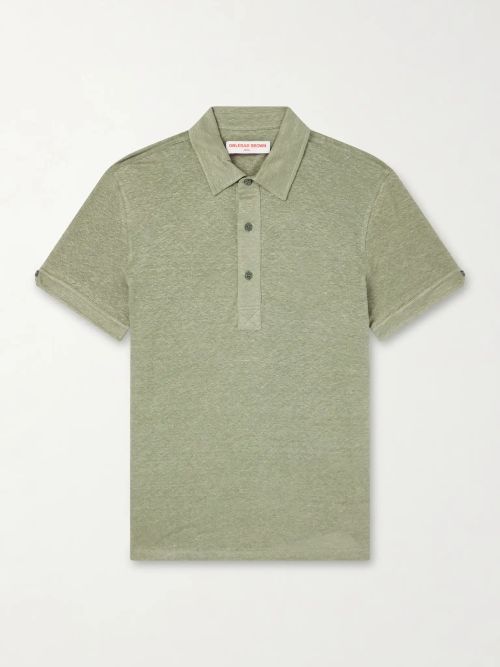
A wide range of menswear spanning tailoring, casualwear, denim, and outerwear from both heritage luxury houses and contemporary designer labels.
Shoes
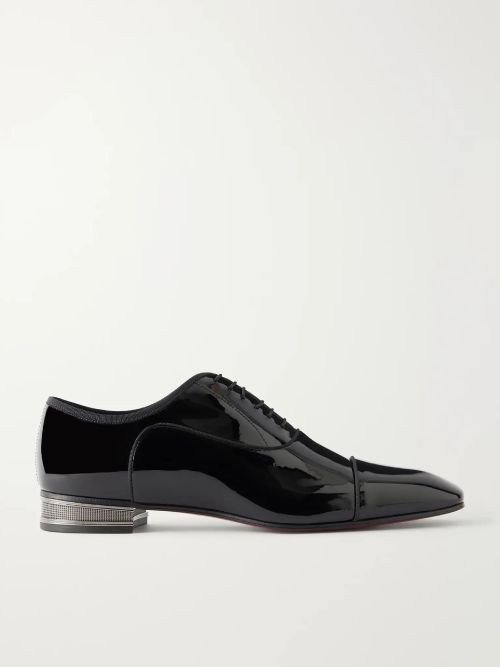
Designer and luxury footwear spanning dress shoes, sneakers, and boots from established shoemakers alongside newer, fashion-forward labels.
Accessories
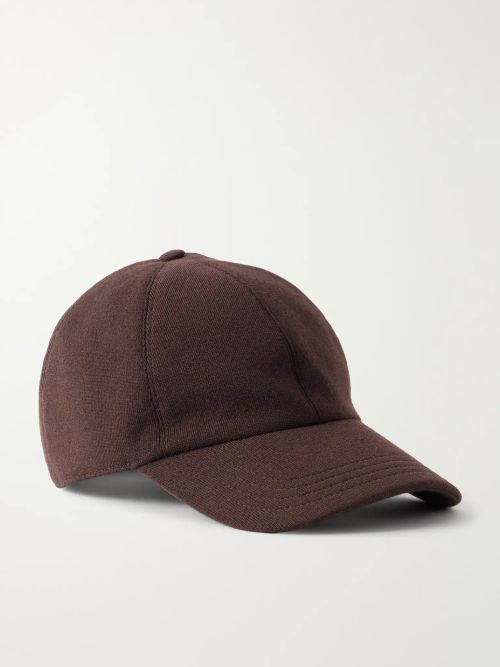
Bags, belts, sunglasses, and small leather goods designed to complete a full luxury menswear look.
Fine Watches
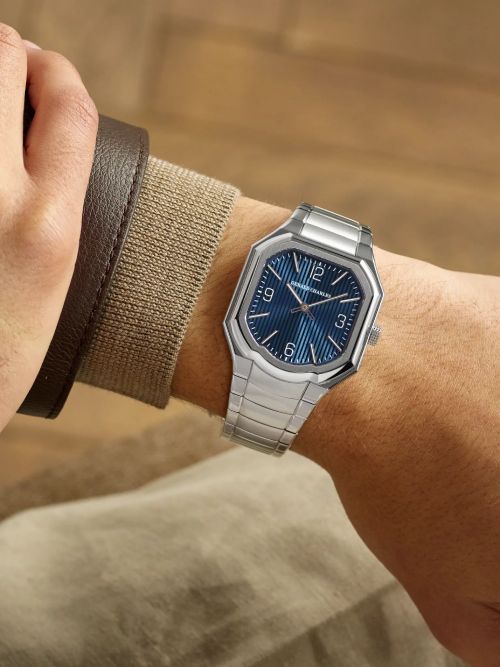
A dedicated luxury watch category, reflecting Mr Porter’s positioning as a lifestyle destination beyond just clothing.
Grooming
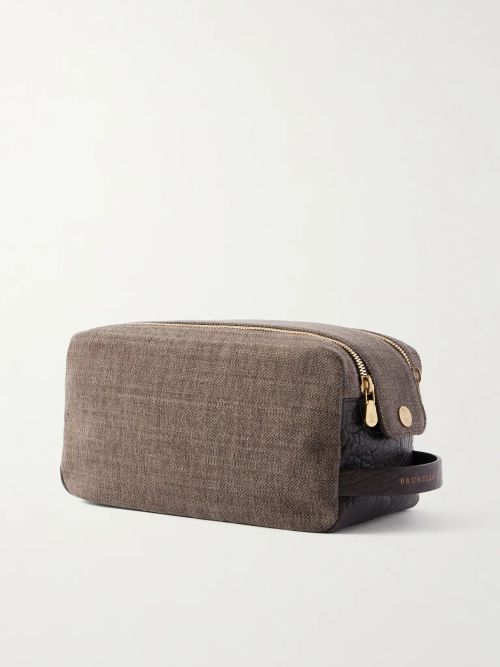
Skincare, haircare, and grooming products curated alongside the platform’s core apparel offering.
Sportswear
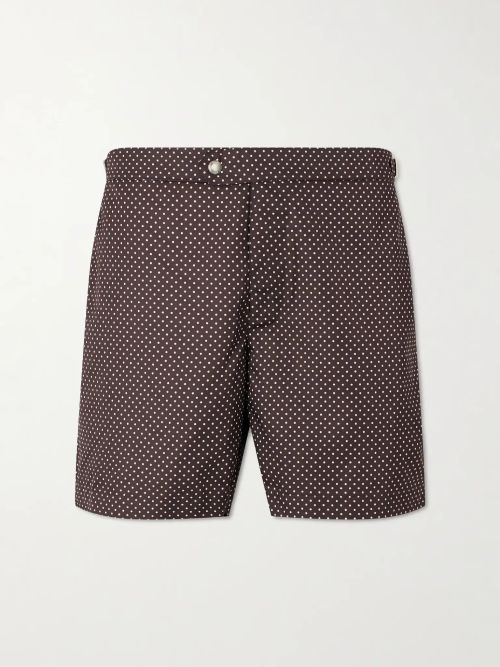
A performance and athleisure category blending luxury design sensibility with functional sportswear.
Lifestyle
A broader lifestyle section covering everything from cameras, speakers, and headphones to coffee makers and books, extending Mr Porter’s curation well beyond clothing.
Is Mr Porter Good Quality?
Because Mr Porter operates as a curated multi-brand retailer rather than a single manufacturer, product quality is generally consistent with whichever of the nearly 600 luxury and contemporary brands a given item comes from, reflecting the same craftsmanship standards those brands are known for elsewhere. The platform’s rigorous brand curation, sitting alongside names like John Lobb and Turnbull & Asser since its earliest days, reflects a sustained commitment to genuine luxury quality rather than a purely discount-driven catalog.
That said, like many large luxury e-commerce platforms, some customer reviews have raised concerns specifically around customer service responsiveness, particularly regarding delivery delays and the returns and refunds process. It’s worth understanding this as a known pain point for some customers, separate from the quality of the products themselves, and factoring in realistic delivery expectations, particularly for time-sensitive purchases.
How Does Mr Porter Compare to Other Luxury Menswear Retailers?
| Feature | Mr Porter | Typical Luxury Menswear Competitor |
|---|---|---|
| Launched | February 2011, London | Varies |
| Brand catalog | ~600 international brands | Varies |
| Content approach | Editorial-first (The Journal, The Mr Porter Post) | Often product-only |
| Private label | Mr P., 5 capsule collections per year | Not always offered |
| Ownership | LuxExperience (formerly YNAP/Richemont) | Varies |
| Top-tier customer perks | EIP program with personal shopper access | Varies |
Tips for Shopping Mr Porter
- Explore Mr P. if you want Mr Porter’s own in-house private label, which has expanded from apparel into footwear
- Read The Journal for styling guidance and product context before making a bigger purchase
- Check delivery timelines carefully, especially for time-sensitive orders, given some customer feedback around delivery speed
- Look for exclusive capsule collaborations, since Mr Porter regularly partners with major brands on limited releases
- Review the returns policy before ordering, particularly for higher-value tailoring or footwear purchases
Final Verdict: Is Mr Porter Still Worth It?
More than fifteen years after launching as NET-A-PORTER’s menswear counterpart, Mr Porter remains one of the most respected names in online luxury menswear, having successfully navigated multiple ownership transitions, most recently joining LuxExperience following Mytheresa’s 2025 acquisition of YOOX NET-A-PORTER, without losing the editorial-first, expertly curated shopping experience that built its reputation. With nearly 600 brands, a well-regarded private label, and genuinely useful styling content, Mr Porter remains a strong destination for luxury menswear shopping. As with any large retailer, it’s worth setting realistic delivery expectations and reviewing return policies before making a significant purchase.
Frequently Asked Questions
When was Mr Porter founded? Mr Porter launched in February 2011 in London as the menswear counterpart to NET-A-PORTER, starting with around 80 brands.
Who owns Mr Porter now? Following Mytheresa’s 2025 acquisition of YOOX NET-A-PORTER Group from Richemont, Mr Porter is now part of the LuxExperience corporate group.
How many brands does Mr Porter sell? Mr Porter stocks close to 600 international brands, with new products added roughly twice a week.
What is Mr P.? Mr P. is Mr Porter’s in-house private label, offering ready-to-wear menswear through five capsule collections per year, later expanded to include footwear.
Is Mr Porter a legitimate luxury retailer? Yes, Mr Porter is a well-established, legitimate luxury e-commerce platform with more than fifteen years of operating history and a large, loyal customer base.
Does Mr Porter have good customer service? Mr Porter’s product curation and quality are generally well-regarded, though some customers have reported issues with delivery delays and the returns process, which is worth factoring into expectations before ordering.