
Affiliate Disclosure: This post contains affiliate links. If you make a purchase through these links, we may earn a small commission at no extra cost to you. We only recommend brands and products we genuinely believe in.
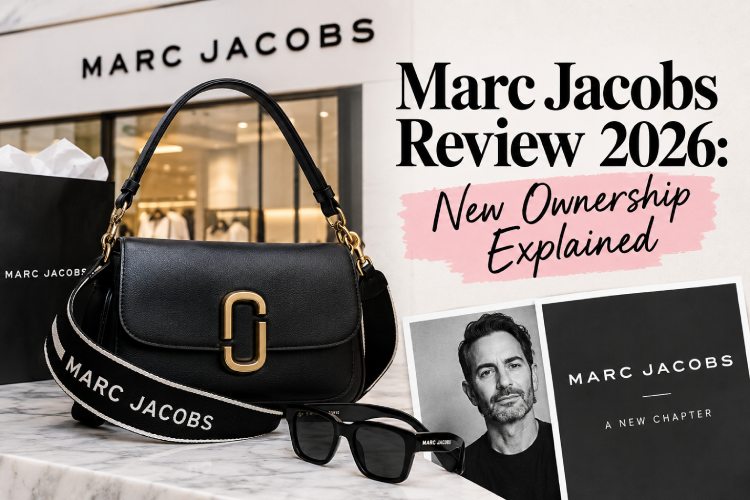
Few American designers have shaped fashion quite like Marc Jacobs, the man credited with bringing 1990s grunge to the runway and later transforming Louis Vuitton into one of the most valuable brands in the world. With the brand entering a significant new ownership chapter in 2026, here’s a full breakdown of Marc Jacobs’s history, what it offers today, and what the recent changes mean for shoppers.
What Is Marc Jacobs?
Marc Jacobs is an American fashion house founded in 1984 by designer Marc Jacobs, born in New York City in 1963, alongside business partner Robert Duffy. Jacobs launched his first collection that same year while still building his reputation, having already become the youngest designer ever to receive the CFDA’s Perry Ellis Award for New Fashion Talent as a Parsons School of Design graduate. His 1992 grunge collection for Perry Ellis became a genuinely influential fashion moment, introducing the aesthetic to high fashion runways for the first time, before Jacobs launched his own eponymous collection in April 1994.
The brand’s trajectory changed significantly in 1997, when LVMH acquired a majority stake in Marc Jacobs the same year the conglomerate appointed Jacobs as Louis Vuitton’s first-ever creative director, a role he held until 2013. With LVMH’s financial backing, Jacobs expanded his own label considerably, launching the more affordable Marc by Marc Jacobs sportswear line in 2001 and Little Marc Jacobs childrenswear in 2005. After stepping down from Louis Vuitton in 2013 to focus fully on his own brand, Jacobs launched Marc Jacobs Beauty that same year.
Marc Jacobs’s 2026 Ownership Change
In one of the most significant recent developments for the brand, LVMH and WHP Global announced on May 14, 2026, a definitive agreement for WHP Global to acquire the Marc Jacobs brand from LVMH. This brings to a close a nearly 30-year relationship, LVMH first acquired its majority stake in 1997, during which the conglomerate provided strategic support and resources that helped Marc Jacobs grow into a globally recognized name across handbags, small leather goods, ready-to-wear, footwear, eyewear, and fragrance. WHP Global is a brand management firm with experience overseeing a portfolio of established consumer and fashion brands, and this acquisition positions Marc Jacobs for its next chapter under new ownership after nearly three decades within the LVMH family.
It’s worth noting that Marc Jacobs’s business has faced real challenges over the past decade. The brand closed its popular, lower-priced Marc by Marc Jacobs line in 2015, and by June 2018, the label had reportedly been losing more than €50 million annually before a gradual turnaround began under CEO Eric Marechalle, formerly of Kenzo. This history adds useful context to the 2026 ownership change, reflecting an evolving brand navigating both creative reinvention and genuine business pressure over the years.
What Makes Marc Jacobs Different?
- Genuine cultural influence — Jacobs is widely credited with bringing 1990s grunge to high fashion, a moment that remains a significant reference point in fashion history
- Louis Vuitton legacy — Jacobs’s 16-year tenure as Louis Vuitton’s creative director, including collaborations with artists like Takashi Murakami and Stephen Sprouse on now-iconic handbag collections, is a defining part of the brand founder’s broader design reputation
- Accessible luxury positioning — Marc Jacobs occupies a distinctive space bridging high-luxury houses like Hermès and premium contemporary labels, offering designer credibility at comparatively accessible price points
- Consistent creative identity — the brand has maintained a reputation for playful defiance and fearless self-expression across ready-to-wear, accessories, and fragrance since its founding
- New brand management ownership — following the 2026 WHP Global acquisition, the brand enters a new chapter with a firm specifically focused on brand growth and portfolio management
What Does Marc Jacobs Sell?
Handbags & Small Leather Goods
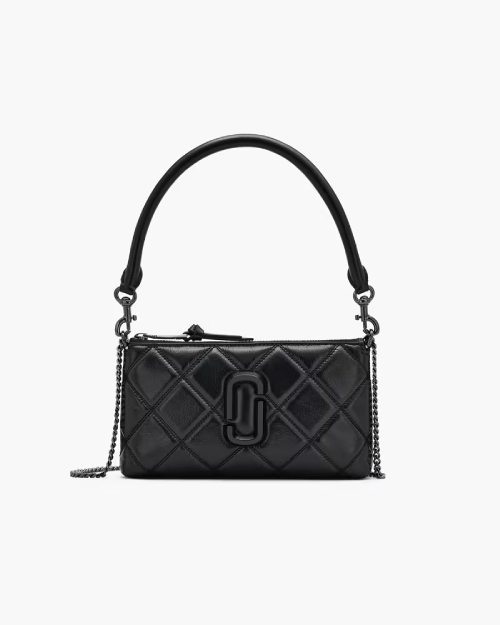
One of the brand’s core and most recognized categories, including popular styles that have become signature pieces within the broader Marc Jacobs catalog.
Ready-to-Wear
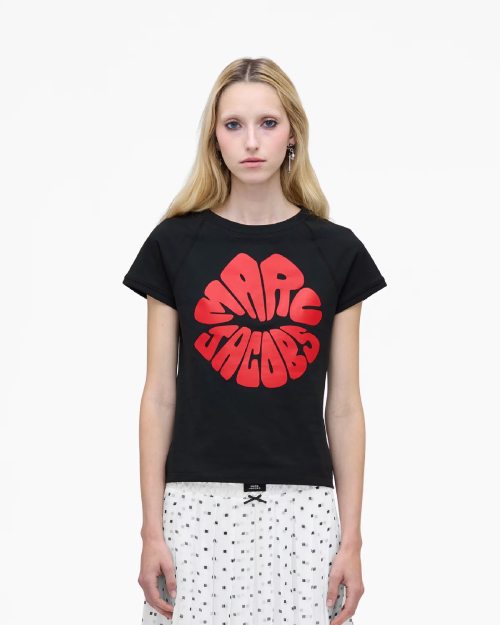
Women’s and men’s clothing collections reflecting Jacobs’s design sensibility, spanning both the brand’s main line and its history of diffusion ranges.
Footwear
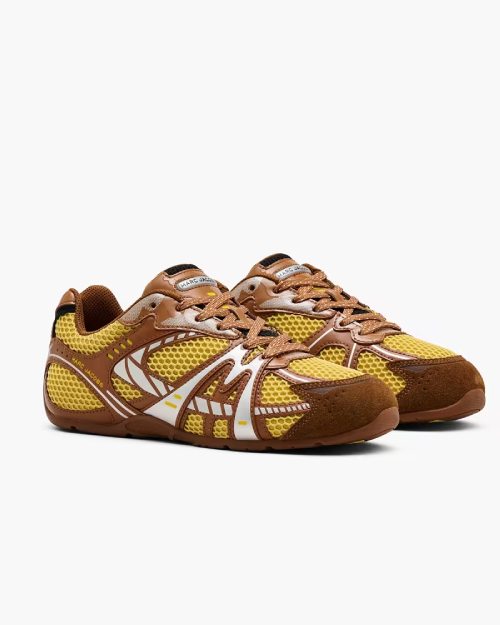
Shoes designed to complement the brand’s ready-to-wear and accessories, sold both on the Marc Jacobs website and through other retailers.
Eyewear
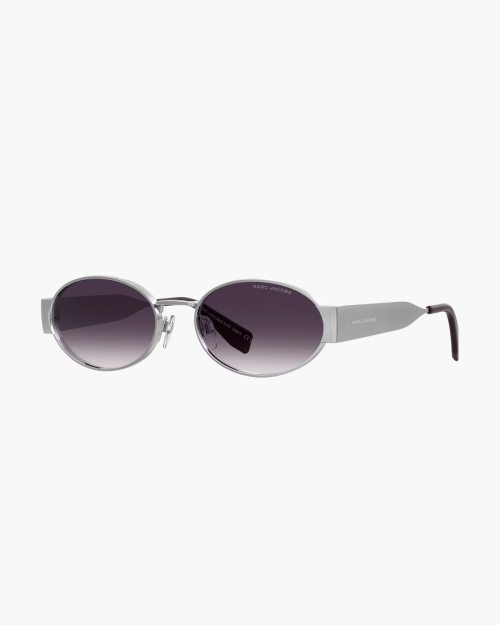
Sunglasses and optical frames, produced and distributed through a licensing agreement with Safilo that began in 2004.
Fragrance & Beauty
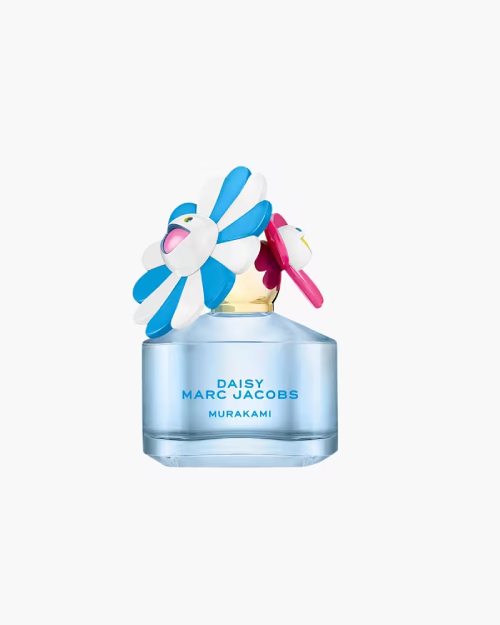
A long-running fragrance line including the brand’s well-known Daisy scent, launched in 2007, alongside Marc Jacobs Beauty, the makeup line Jacobs launched in 2013.
Books & Stationery

A smaller lifestyle category reflecting the brand’s broader creative identity beyond fashion and beauty.
Is Marc Jacobs Good Quality?
Marc Jacobs built its reputation over four decades on a stated commitment to both creativity and quality, dating back to the brand’s founding principles established by Jacobs and Duffy in 1984. The label’s nearly 30-year relationship with LVMH provided significant resources and manufacturing infrastructure that supported consistent production standards across its expanding product categories, from handbags to fragrance.
Given the brand’s recent ownership transition to WHP Global, along with its history of business challenges in the years following the 2015 closure of Marc by Marc Jacobs, it’s reasonable for shoppers to watch how product quality and design direction evolve under the new ownership structure. As with any brand navigating a significant corporate change, checking current reviews on newer collections is a sensible step before making a larger purchase.
How Does Marc Jacobs Compare to Other Accessible Luxury Brands?
| Feature | Marc Jacobs | Typical Premium Contemporary Fashion Brand |
|---|---|---|
| Founded | 1984, New York City | Varies |
| Founder | Marc Jacobs and Robert Duffy | Varies |
| Previous ownership | LVMH (1997-2026) | Varies |
| Current ownership | WHP Global (2026 acquisition) | Varies |
| Market position | Bridges luxury and premium contemporary | Varies |
| Product range | Handbags, ready-to-wear, footwear, eyewear, fragrance, beauty | Varies |
Tips for Buying Marc Jacobs
- Check current reviews on newer releases given the brand’s 2026 transition to WHP Global ownership
- Explore the brand’s signature handbag styles if you want pieces most representative of Marc Jacobs’s design identity
- Consider the fragrance line like Daisy if you’re looking for a more accessible entry point into the brand
- Compare pricing between the official Marc Jacobs website and other authorized retailers, since availability and promotions can vary
- Look into archival or resale options if you’re specifically interested in pieces from Jacobs’s influential Louis Vuitton era, since those pieces are separate from the current Marc Jacobs label
Final Verdict: Is Marc Jacobs Worth It?
More than four decades after Marc Jacobs launched his first collection, the brand remains one of the most culturally significant names in American fashion, shaped by Jacobs’s genuine influence on runway history and his transformative years at Louis Vuitton. Following the May 2026 announcement of its sale from LVMH to WHP Global, the label is entering a new ownership chapter after nearly three decades within the LVMH portfolio, making it a reasonable time for shoppers to watch how the brand evolves. For anyone drawn to Marc Jacobs’s distinctive, playful design identity and accessible-luxury positioning, the brand remains a compelling, if transitioning, choice.
Frequently Asked Questions
Who founded Marc Jacobs? Marc Jacobs was founded in 1984 by designer Marc Jacobs and business partner Robert Duffy, with Jacobs launching his first collection that year in New York City.
Who owns Marc Jacobs now? As of a May 2026 agreement, Marc Jacobs is being acquired by WHP Global from LVMH, which had held a majority stake in the brand since 1997.
Is Marc Jacobs the same as his work at Louis Vuitton? No, Marc Jacobs served as Louis Vuitton’s creative director from 1997 to 2013, but Louis Vuitton and Marc Jacobs are separate brands. Jacobs’s own eponymous label is the Marc Jacobs brand covered in this review.
What is Marc Jacobs known for? Marc Jacobs is known for introducing 1990s grunge to high fashion, his influential 16-year tenure at Louis Vuitton, and his own eponymous label spanning handbags, ready-to-wear, fragrance, and beauty.
Did Marc Jacobs close its lower-priced line? Yes, the brand closed its Marc by Marc Jacobs diffusion line in 2015, though some lower-priced pieces were later incorporated into the main signature collection.
Is Marc Jacobs considered luxury or contemporary fashion? Marc Jacobs occupies a distinctive middle ground, often described as bridging high-luxury brands and premium contemporary fashion labels, offering designer credibility at comparatively accessible price points.