
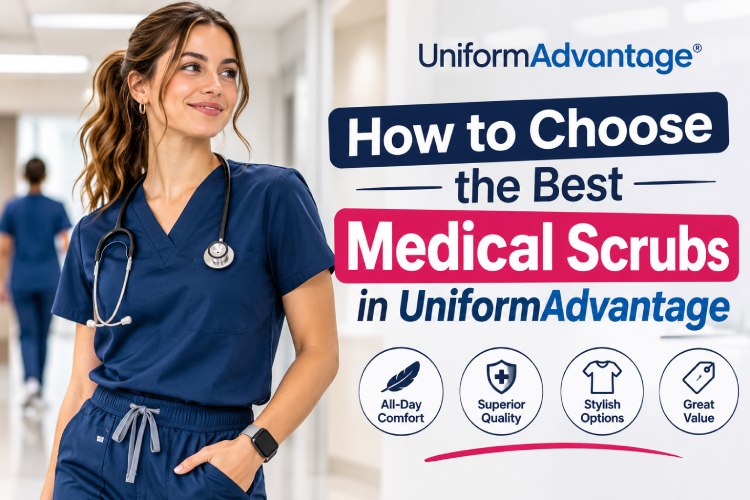
Quick Answer: What Are the Best Medical Scrubs?
The best medical scrubs are the ones that match your workplace dress code, feel comfortable through a full shift, fit true to your body and movement needs, and hold up to repeated washing. Look for a breathable, stretchy fabric blend, a cut that suits your role (such as nursing, dental, or surgical), and pockets that fit the tools you carry every day.
Table of Contents
- Why Your Scrubs Matter More Than You Think
- Step 1: Check Your Workplace Dress Code
- Step 2: Choose the Right Fabric
- Step 3: Find the Right Fit and Cut
- Step 4: Pick Features That Fit Your Role
- Step 5: Choose Colors and Styles Wisely
- How to Care for Your Scrubs
- How Many Pairs of Scrubs Do You Need?
- Common Mistakes When Buying Scrubs
- Frequently Asked Questions
- Final Thoughts
Why Your Scrubs Matter More Than You Think
If you work in healthcare, dentistry, veterinary care, or a similar field, you may spend 8 to 12 hours a day on your feet. Your scrubs are not just a uniform. They affect your comfort, your movement, your confidence, and even how patients and colleagues see you.
At UniformAdvantage, we believe the right uniform should work as hard as you do. This guide walks you through five simple steps to choose scrubs you will actually love wearing.
Step 1: Check Your Workplace Dress Code
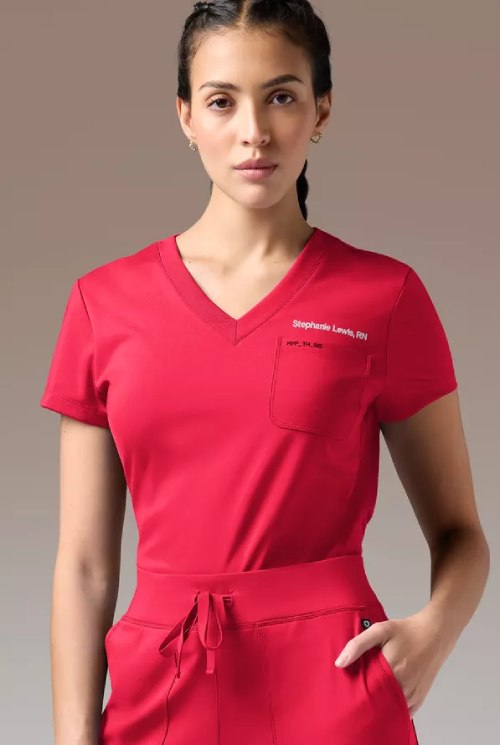
Before you shop, find out what your employer requires. Many hospitals, clinics, and practices have rules about:
- Color: Some facilities assign colors by department or role, for example navy for nurses or ceil blue for technicians.
- Style: Some allow jogger pants or fitted tops; others prefer classic straight-leg styles.
- Logos and patches: Some require embroidered names, titles, or facility logos.
- Undershirts and layers: Policies on long sleeves, jackets, and warmers vary.
Tip: Ask your manager or HR team for the written dress code, and save a copy on your phone while you shop.
Step 2: Choose the Right Fabric
Fabric is the single biggest factor in how scrubs feel and last. Here is a simple breakdown of the most common options.
| Fabric Type | What It Feels Like | Best For |
|---|---|---|
| Cotton blend | Soft, breathable, classic | Everyday wear, sensitive skin |
| Polyester blend | Durable, wrinkle-resistant, quick drying | High-wash, busy environments |
| Spandex or stretch blend | Flexible, moves with your body | Active roles, long shifts |
| Moisture-wicking performance fabric | Lightweight, pulls sweat away | Hot, high-movement settings |
| Antimicrobial-treated fabric | Designed to resist odor-causing bacteria | Roles with long, demanding shifts |
How to decide: If you move a lot, pick a stretch blend. If you run warm, look for moisture-wicking. If you wash your scrubs often, choose a durable poly-blend. Always check the product page for the exact fabric content before you buy.
Step 3: Find the Right Fit and Cut
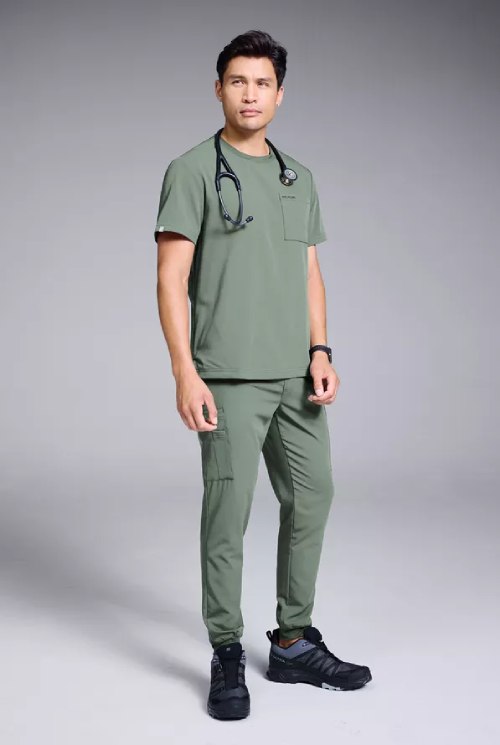
A great fit helps you bend, reach, lift, and kneel without tugging or gapping.
For tops, check:
- Shoulder seams sit at your shoulders, not drooping or pinching
- Armholes allow full arm movement
- The hem covers your waistband when you reach overhead
For pants, check:
- A waistband that stays put (drawstring, elastic, or both)
- Enough rise to stay comfortable when you sit and squat
- The right length: petite, regular, or tall options make a big difference
Common cuts you will see:
- Classic or straight-leg: Traditional, roomy, easy to wear
- Tapered or jogger: Modern, streamlined, sits closer at the ankle
- Cargo: Extra pockets for tools and supplies
- Fitted or tailored: Closer to the body for a sharper look
Tip: Always use the size chart on the product page, and measure yourself instead of guessing from other clothing brands.
Step 4: Pick Features That Fit Your Role
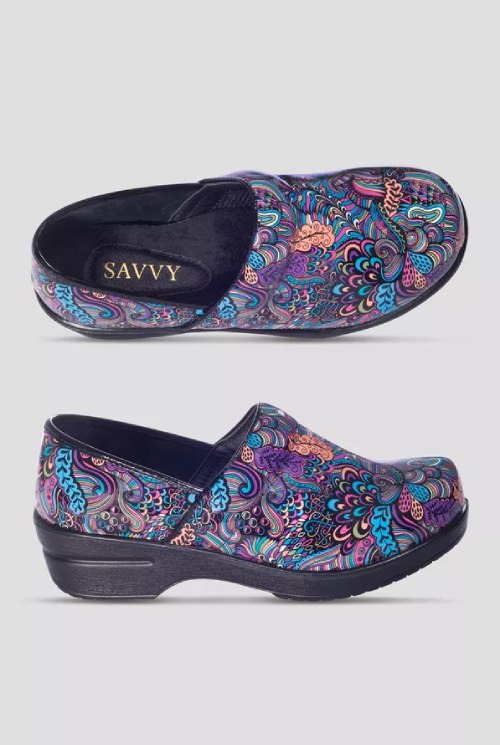
Think about what you carry and do all day, then match your scrubs to it.
- Nurses: Multiple pockets for pens, scissors, notepads, and a phone
- Dental professionals: Lightweight fabric and comfortable sleeves for close, detailed work
- Surgical teams: Breathable, easy-to-launder fabric and secure fit
- Veterinary staff: Stain-resistant and durable fabrics, plus flexible movement
- Home health and caregivers: Pockets, comfort, and easy care for travel between visits
Useful extras to look for: a hidden or zippered pocket for small valuables, a badge loop or tab, and a back-yoke or gusset that adds extra reach.
Step 5: Choose Colors and Styles Wisely
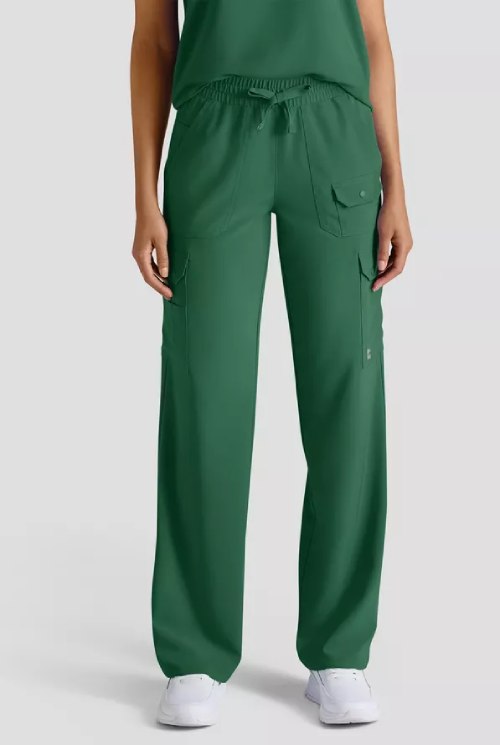
Color is more than looks. Darker shades such as navy, black, and charcoal tend to hide small stains. Lighter shades like ceil blue, seafoam, and white show a clean, calm look but may need more care.
If your workplace lets you choose, consider:
- A core color you can wear most days
- A second shade to rotate and keep things fresh
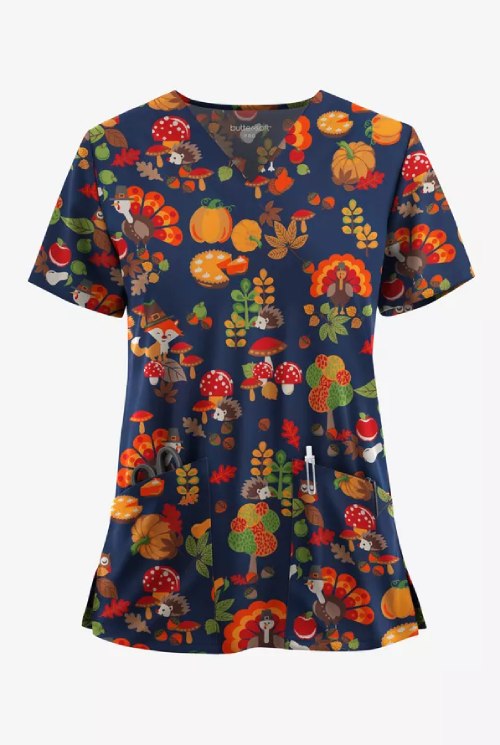
- A print or accent top if your dress code allows it
How to Care for Your Scrubs
Good care keeps scrubs comfortable and looking sharp for longer.
- Read the care label first. Follow the manufacturer’s instructions.
- Wash with similar colors to prevent fading and color transfer.
- Use a gentle detergent and avoid heavy fabric softener on performance fabrics, which can reduce their wicking ability.
- Dry on low heat or hang dry to protect stretch.
- Treat stains quickly with cold water and a mild stain remover.
- Iron on low only if the label allows it.
How Many Pairs of Scrubs Do You Need?
Most healthcare workers find that 4 to 7 sets keeps them covered through a work week with time for laundry. If you work three long shifts a week, 4 sets may be enough. If you work five or more days, or want backups for spills, aim for 6 to 7.
Common Mistakes When Buying Scrubs
- Ordering without checking the dress code
- Choosing style over comfort for a 12-hour shift
- Skipping the size chart
- Ignoring fabric content
- Buying only one color or one set
- Forgetting petite or tall sizing
Frequently Asked Questions
What are the most comfortable scrubs for long shifts?
Scrubs made from a soft, stretchy, breathable blend, such as a cotton-poly-spandex mix or a moisture-wicking performance fabric, are generally the most comfortable for long shifts. Pair them with a cut that gives you room to move.
Are scrubs allowed to be tight?
Scrubs should be fitted but not restrictive. You should be able to bend, squat, reach, and lift without pulling or gaping. Always follow your workplace dress code.
What is the difference between scrubs and lab coats?
Scrubs are the base uniform worn for comfort, movement, and easy washing. Lab coats are an outer layer worn over clothing or scrubs, often for added coverage, pockets, and a professional appearance.
How often should I replace my scrubs?
Replace scrubs when you notice fading, thinning fabric, stretched-out waistbands, or stains that no longer wash out. For many people who wear them frequently, this is every 6 to 12 months, but it depends on use and care.
What color scrubs are best for hiding stains?
Dark colors such as navy, black, and charcoal tend to hide small stains best, while patterned scrubs can also help camouflage marks.
Can I wear my own scrubs to work?
In many workplaces, yes, as long as they meet the color and style requirements. Some facilities supply uniforms or require specific colors, so confirm with your employer first.
Where can I buy quality scrubs in the USA?
You can shop scrubs, lab coats, footwear, and accessories at UniformAdvantage, where you can browse by role, fit, color, and fabric to find the right match for your job.
Final Thoughts
The best medical scrubs are the ones that fit your job, your body, and your workplace rules. Start with your dress code, choose the right fabric, check the fit, pick features that match your daily tasks, and care for them properly. Do that, and you will walk into every shift feeling comfortable and ready.
Ready to find your perfect pair? Browse the latest scrubs, lab coats, and accessories at UniformAdvantage and build a uniform that works as hard as you do.