Affiliate Disclosure: This post contains affiliate links. If you make a purchase through these links, we may earn a small commission at no extra cost to you. We only recommend brands and products we genuinely believe in.
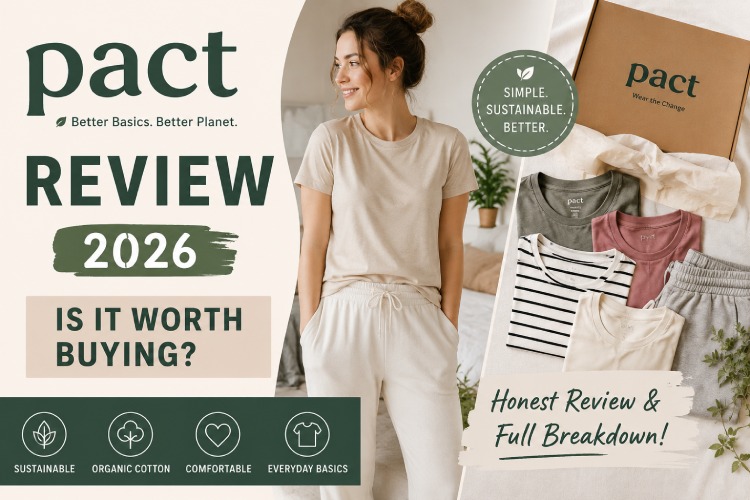
Organic cotton basics are everywhere now, but Pact was doing it years before “sustainable fashion” became a mainstream buzzword. Built around a simple tagline — change starts with your underwear — this Colorado-founded brand helped pioneer transparent, ethically made everyday clothing. Here’s a full breakdown of what makes Pact different, what it offers, and whether it’s still worth buying today.
What Is Pact?
Pact, originally known as PACT Apparel, is an American clothing brand founded in 2009 by Jeff Denby and Jason Kibbey, both graduates of UC Berkeley’s Haas School of Business, and based in Boulder, Colorado. The founders spent time traveling across four continents seeking the right manufacturing partner before assembling one of the first fully transparent apparel supply chains in Turkey, where everything from raw cotton to finished product happened within roughly a 100-mile radius. Pact launched with a single line of organic cotton underwear for adults, packaged in reusable cloth bags with compostable shipping materials, and grew from there into a full range of clothing for men, women, and kids.
The brand’s early achievements were notable for a young company: within its first two years, Pact earned multiple International Design Excellence Awards, a Core77 Design Award, and a Brit Insurance Designs of the Year Award, while also becoming a certified B Corp and landing distribution through Nordstrom and Amazon. In 2011, Pact was acquired by Revelry Brands, a Boulder-based investment firm focused on natural foods and consumer products companies, and the brand has continued operating under that ownership structure while maintaining its organic cotton, fair trade focus.
What Makes Pact Different?
- Certified organic, non-GMO cotton — Pact sources long-staple organic cotton, which the brand states results in a softer, more durable fabric compared to conventional cotton
- GOTS certification — Pact’s cotton is certified under the Global Organic Textile Standard, meaning it’s tracked through every production stage, from pesticide-free farming through final assembly, with annual third-party audits
- Fair Trade Certified factories — the brand partners exclusively with Fair Trade-certified manufacturing facilities as part of its ethical production commitment
- Supply chain transparency — Pact has worked to publicly map its supply chain, including detailed factory profiles and audit reports, and has piloted QR codes linking specific products to production batch details
- Affordable pricing for organic basics — Pact positions itself as one of the more accessible organic clothing brands in the US, aiming to make ethical fashion feel like an easy choice rather than an expensive one
What Does Pact Sell?
Underwear
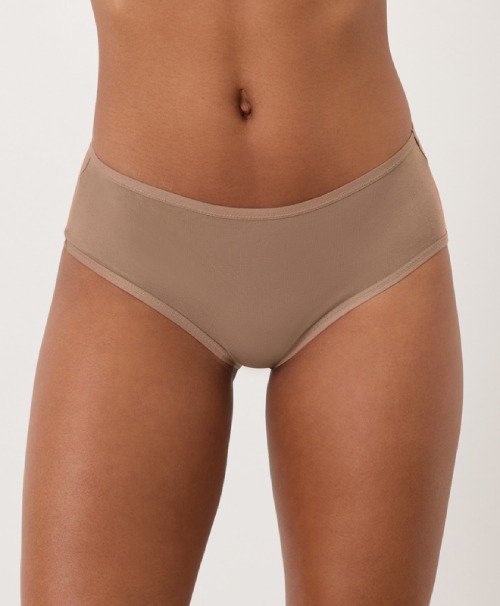
Pact’s founding category, offering organic cotton underwear for men and women, including multi-packs designed as reliable, everyday wardrobe basics.
T-Shirts & Tops
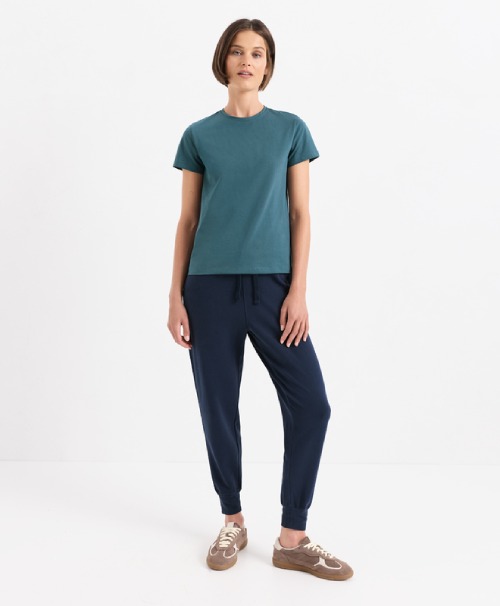
Organic cotton tees and everyday tops for men, women, and kids, designed as simple, breathable staples rather than trend-driven pieces.
Leggings & Bottoms
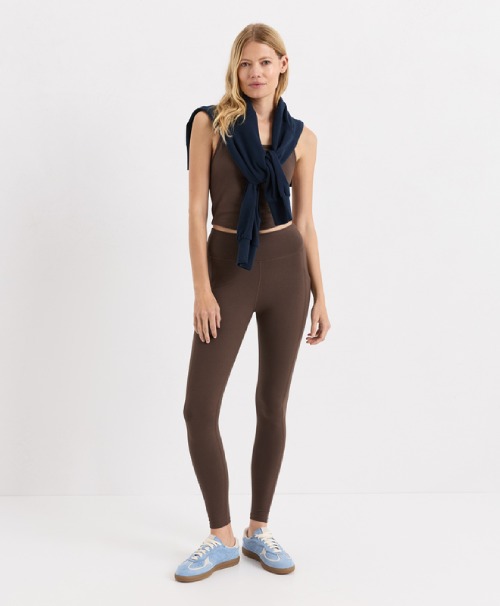
Leggings, twill pants, and shorts made from organic cotton, offering sustainable alternatives to conventional everyday bottoms.
Loungewear
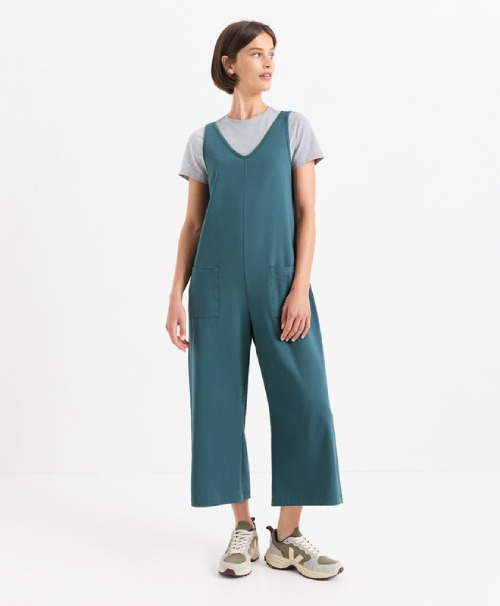
Cozy loungewear pieces designed with the same soft, breathable organic cotton used throughout the brand’s core collections.
Bedding
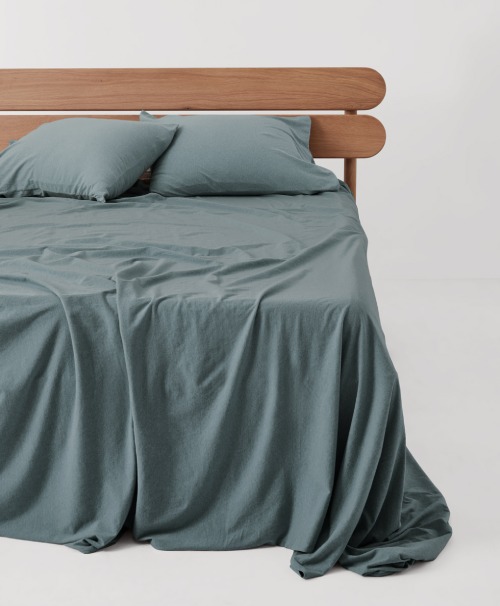
Organic cotton bedding essentials, extending Pact’s sustainability focus beyond clothing into the bedroom.
Kids’ & Baby Clothing
A dedicated children’s and baby line, offering organic cotton basics designed with the same fair trade and sustainability standards as the adult collections.
Is Pact Good Quality?
Pact has built much of its long-standing reputation on the genuine feel and durability of its long-staple organic cotton, with many customers describing the fabric as notably soft, even compared to other organic cotton brands. The brand’s cotton underwear and basic tees are frequently highlighted as standout products in customer reviews, and Pact’s customer service has often been praised for going above and beyond in resolving order issues.
It’s worth noting, however, that Pact’s sustainability reputation has faced increased scrutiny in recent years, with some independent sustainability-focused publications raising questions about aspects of the brand’s current practices compared to its early, widely praised transparency model. As with any brand making sustainability claims, it’s worth checking Pact’s current, publicly available certifications (such as GOTS and Fair Trade Certified status) directly on the brand’s website before making a purchase decision based specifically on ethical or environmental factors. Some customers have also reported occasional website ordering issues and inconsistent international sizing information, which is worth keeping in mind for larger or international orders.
Pact’s Supply Chain Transparency
One of the more distinctive things about Pact, especially for a mainstream basics brand, is its effort to publicly map its supply chain from raw cotton fields through to the factories that cut and sew each garment. The brand has stated goals around completing full public mapping of every production tier and has launched an online portal featuring detailed factory profiles and audit reports. This level of transparency is relatively uncommon in the basics and underwear category, and it reflects the brand’s founding emphasis on traceability from its earliest days working with a fully transparent Turkish supply chain.
How Does Pact Compare to Other Organic Basics Brands?
| Feature | Pact | Typical Mainstream Basics Brand |
|---|---|---|
| Founded | 2009, Boulder, Colorado | Varies |
| Cotton certification | GOTS-certified organic, non-GMO | Often conventional cotton |
| Factory certification | Fair Trade Certified | Varies, often not certified |
| Supply chain transparency | Public factory mapping and audit reports | Rare |
| Price positioning | Accessible, mid-range for organic category | Varies |
| Product range | Underwear, tees, leggings, loungewear, bedding, kids | Varies |
Tips for Buying Pact
- Start with the underwear or basic tees if you’re new to the brand, since these are the most established and reviewed product categories
- Check current certifications directly on Pact’s website before purchasing if ethical sourcing is your primary reason for choosing the brand
- Read international sizing notes carefully if ordering from outside the US, since some customers have reported inconsistent sizing information
- Consider the kids’ and baby lines if you want organic cotton basics for children specifically
- Look into bedding options if you’re already a fan of the brand’s fabric feel and want to extend it to your sheets
Final Verdict: Is Pact Worth Buying?
Pact helped pioneer the organic cotton basics category well before sustainable fashion became mainstream, and its long-staple GOTS-certified cotton and Fair Trade-certified manufacturing still offer a genuinely different standard than most conventional basics brands. While it’s worth staying current on the brand’s specific certifications given increased scrutiny of sustainability claims across the fashion industry generally, Pact’s core underwear, tees, and loungewear remain well-regarded for comfort and softness. For shoppers specifically prioritizing organic, fair trade basics at accessible prices, Pact is worth considering.
Frequently Asked Questions
Who founded Pact? Pact, originally PACT Apparel, was founded in 2009 by Jeff Denby and Jason Kibbey, both graduates of UC Berkeley’s Haas School of Business, based in Boulder, Colorado.
Is Pact clothing made from organic cotton? Yes, Pact clothing is made from certified organic, non-GMO cotton, with much of the brand’s cotton certified under the Global Organic Textile Standard (GOTS).
Is Pact a Fair Trade certified brand? Yes, Pact partners exclusively with Fair Trade-certified manufacturing facilities as part of its ethical production standards.
Who owns Pact? Pact was acquired in 2011 by Revelry Brands, a Boulder, Colorado-based investment firm focused on natural foods and consumer products companies, and continues to operate under that ownership.
What does Pact sell? Pact sells organic cotton underwear, t-shirts, leggings, loungewear, bedding, and kids’ and baby clothing for men, women, and children.
Is Pact considered a sustainable brand? Pact has historically been recognized as a pioneer in transparent, sustainable basics, though it’s worth reviewing the brand’s current certifications directly, as some sustainability-focused publications have raised questions about aspects of its recent practices.